Pollinator habitat
Flowers invite bees and other beneficial insects into the daily life of the farm.
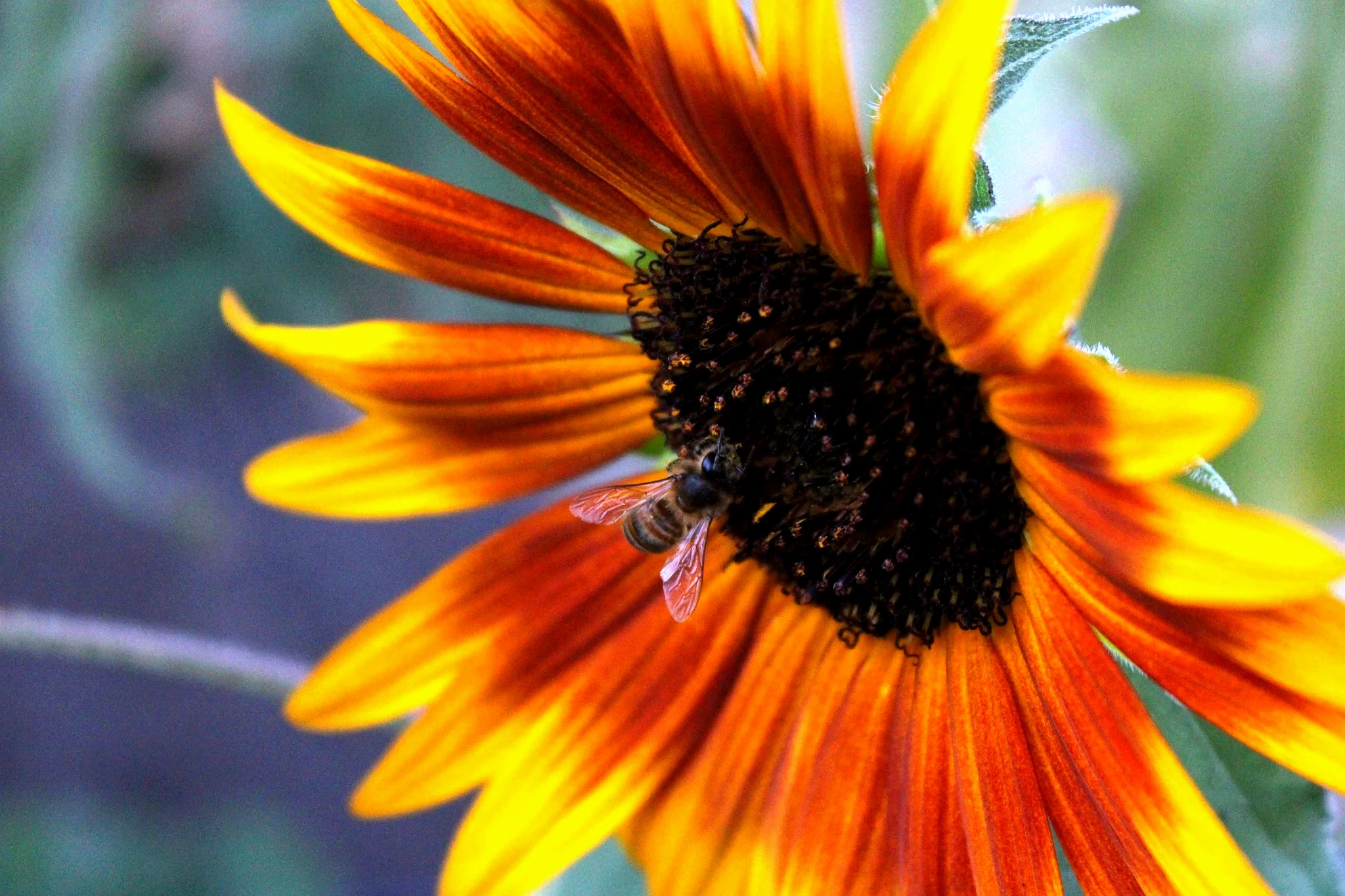
Color, habitat, pollinators, and the changing rhythm of the season. Our flower rows weave through the farm alongside food crops and cannabis, bringing beauty and biodiversity into the same living landscape.
Flowers invite bees and other beneficial insects into the daily life of the farm.
Dahlias, zinnias, sunflowers, statice, buckwheat, and marigolds shift with the season.
Flowering rows add texture, habitat, and resilience throughout the cultivated landscape.
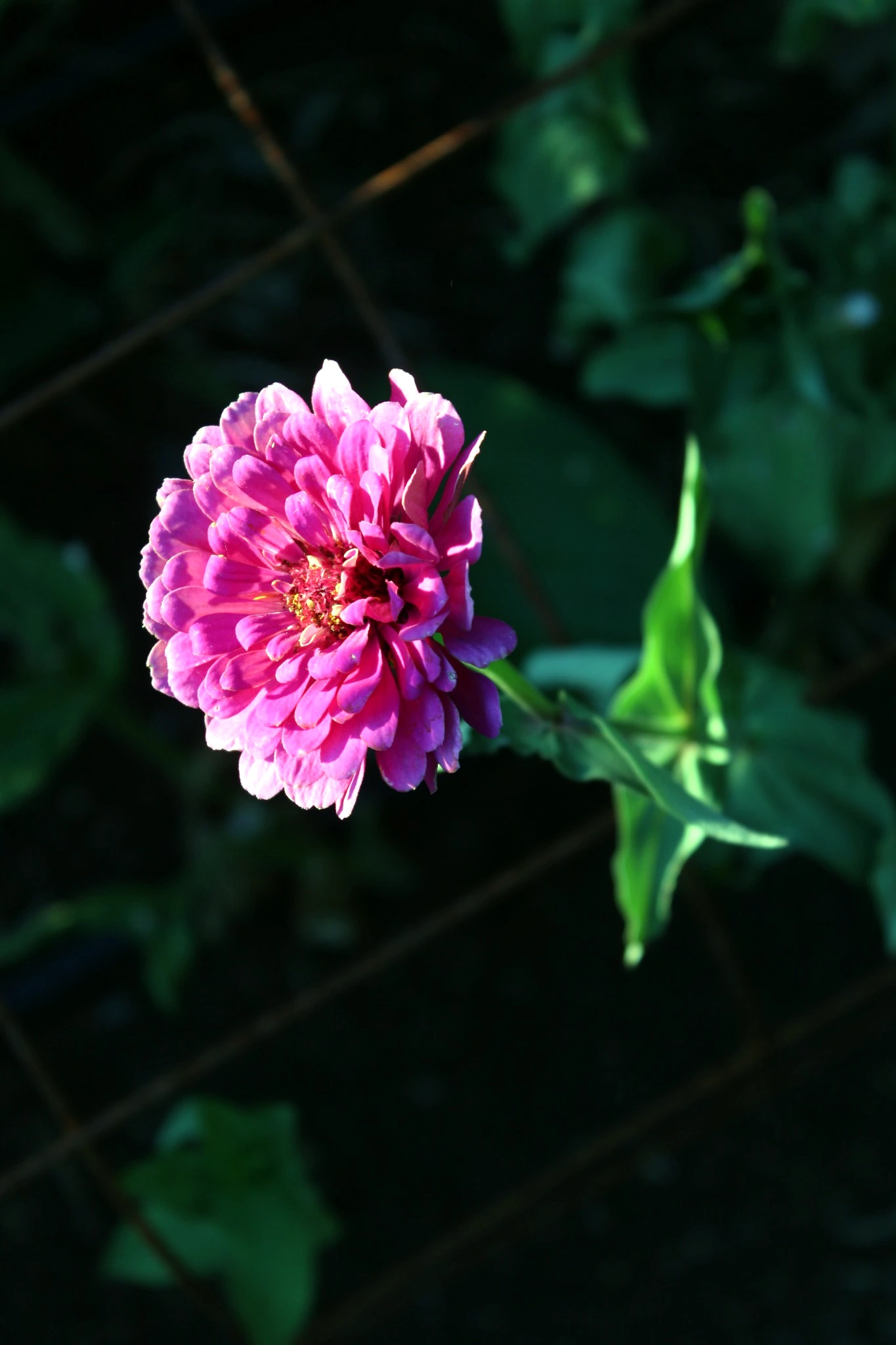
At HappyDay Farms, flowers are woven into the same working landscape as food crops and sungrown cannabis. They bring pollinators and beneficial insects into the rows, soften the edges between cultivated spaces, and make the seasonal changes of the farm visible.
Some blooms stay exactly where they grow, feeding insects and adding life to the garden. Others become cut flowers for CSA shares and local market tables. Either way, the flower rows are doing real work while making the farm feel generous, colorful, and alive.
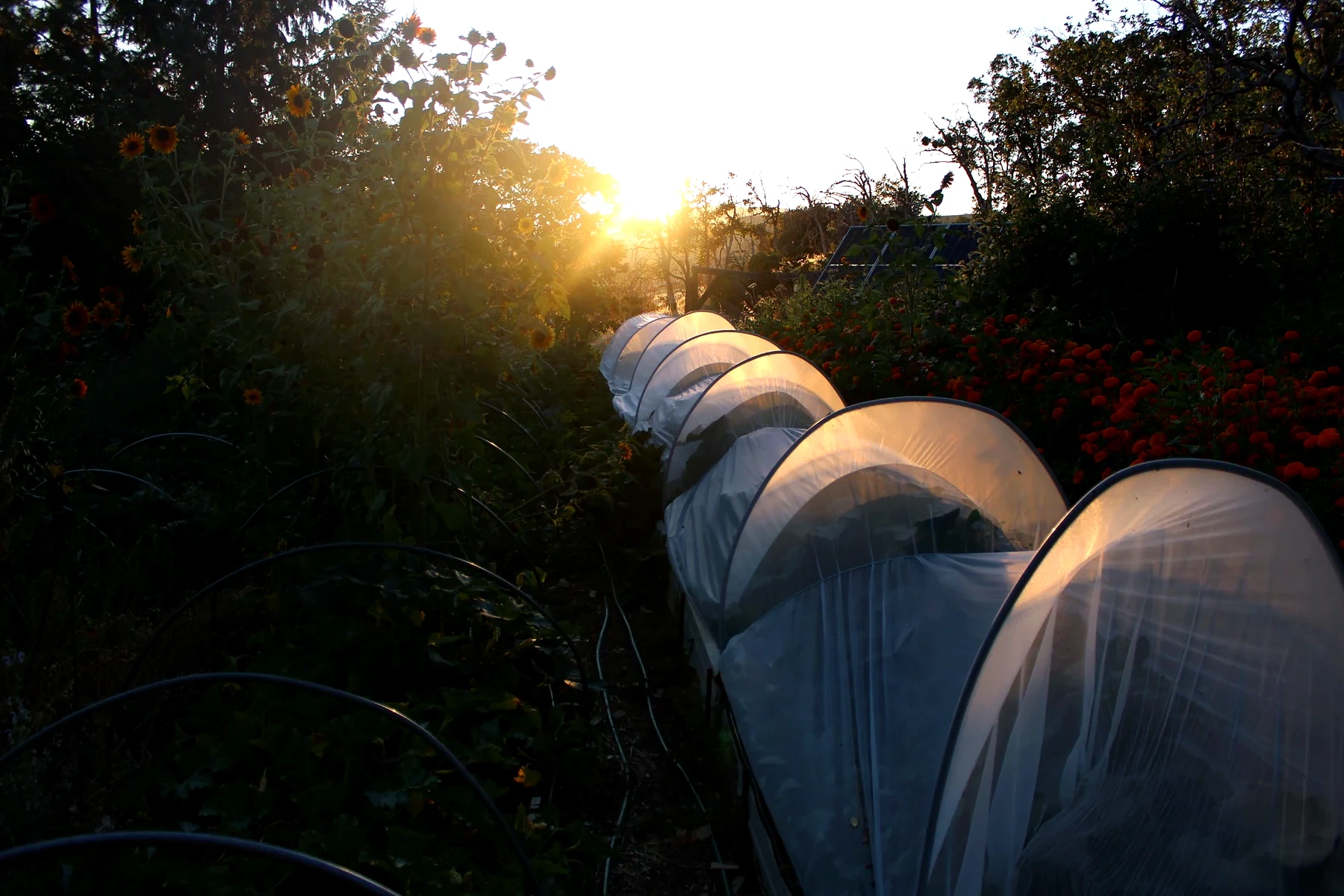
A diversified farm is made from relationships: cultivated crops, soil, insects, weather, water, people, and the uncultivated life moving around all of it. Flowering rows create another layer of connection.
They offer color and structure through the season, give bees and beneficial insects places to forage, and turn pathways and crop edges into habitat instead of empty space.
The result is practical and beautiful at the same time — a working garden whose appearance changes constantly as one wave of blooms gives way to the next.
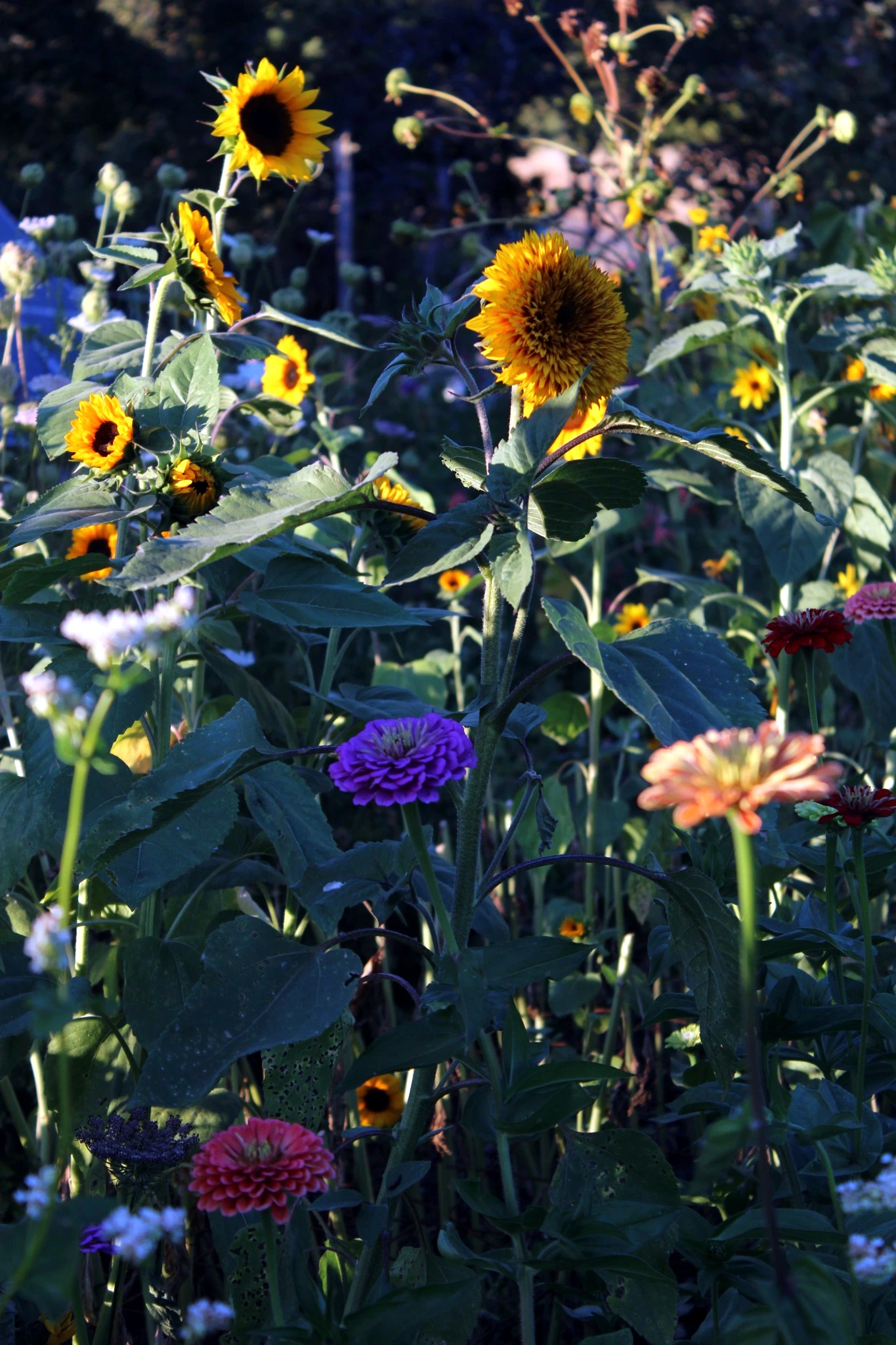
The flower beds move through the same sun, water, wind, and long Mendocino days as the rest of the farm. Their colors rise between food crops, protected beds, and working paths, giving the landscape a sense of continuity rather than dividing it into isolated pieces.
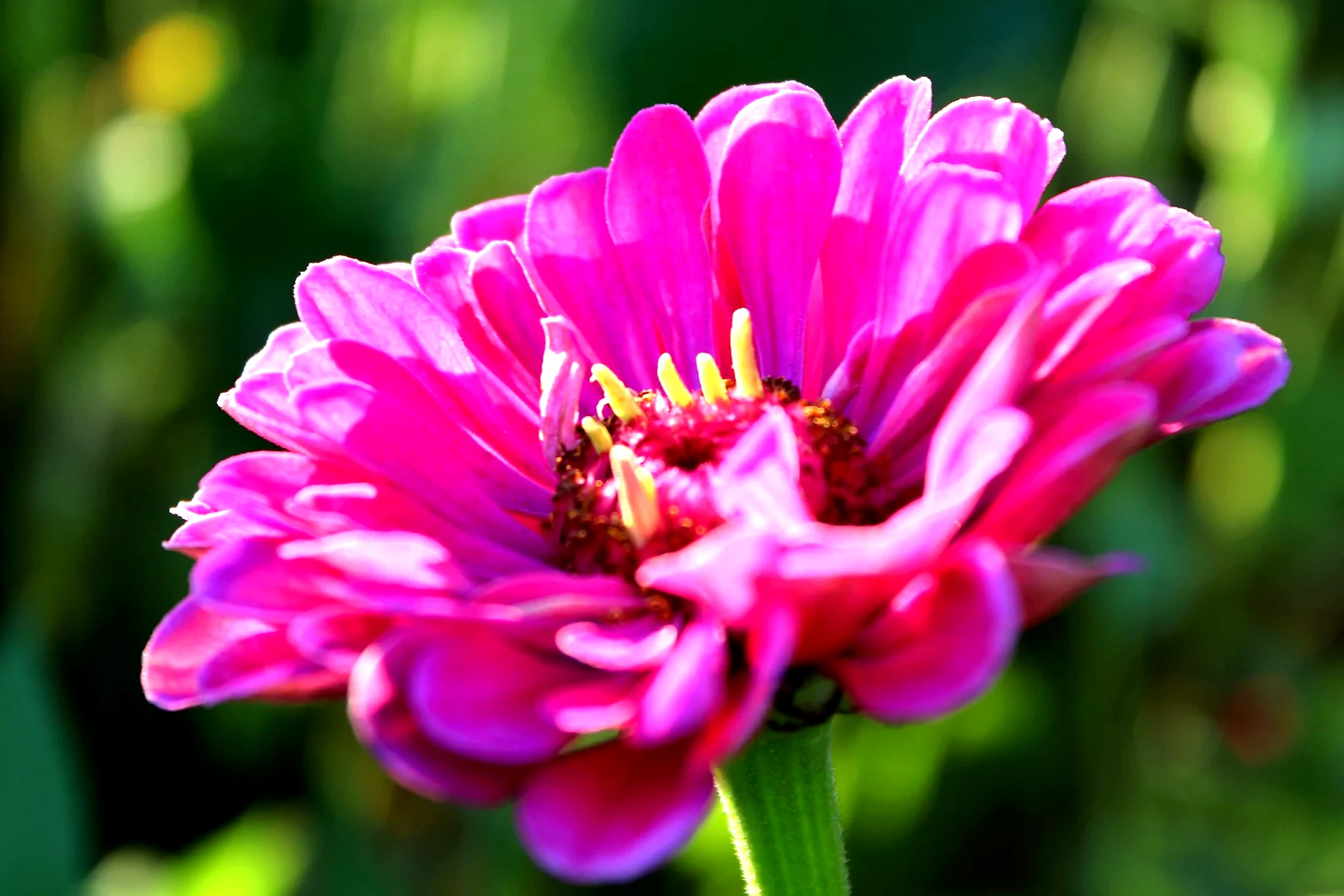
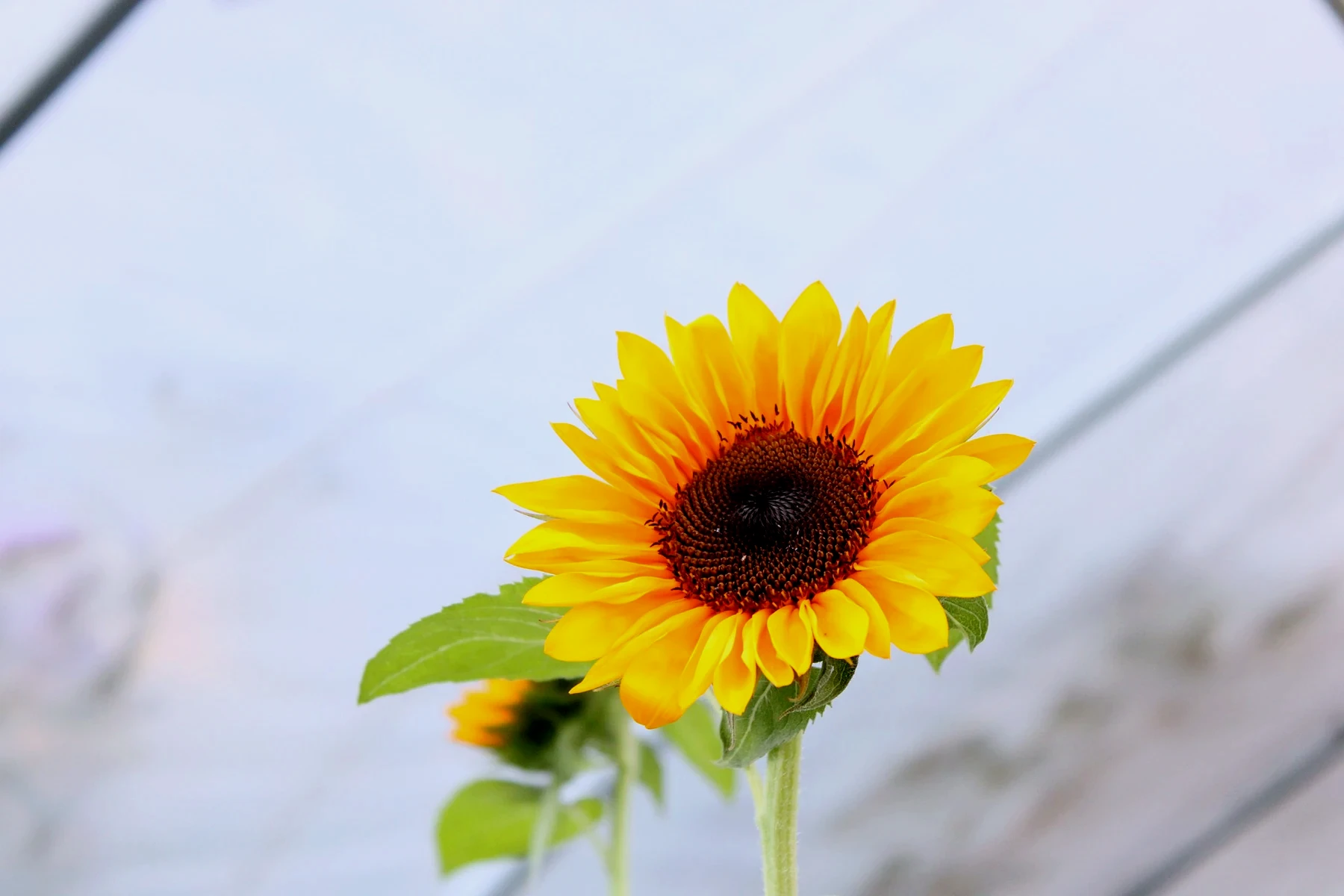
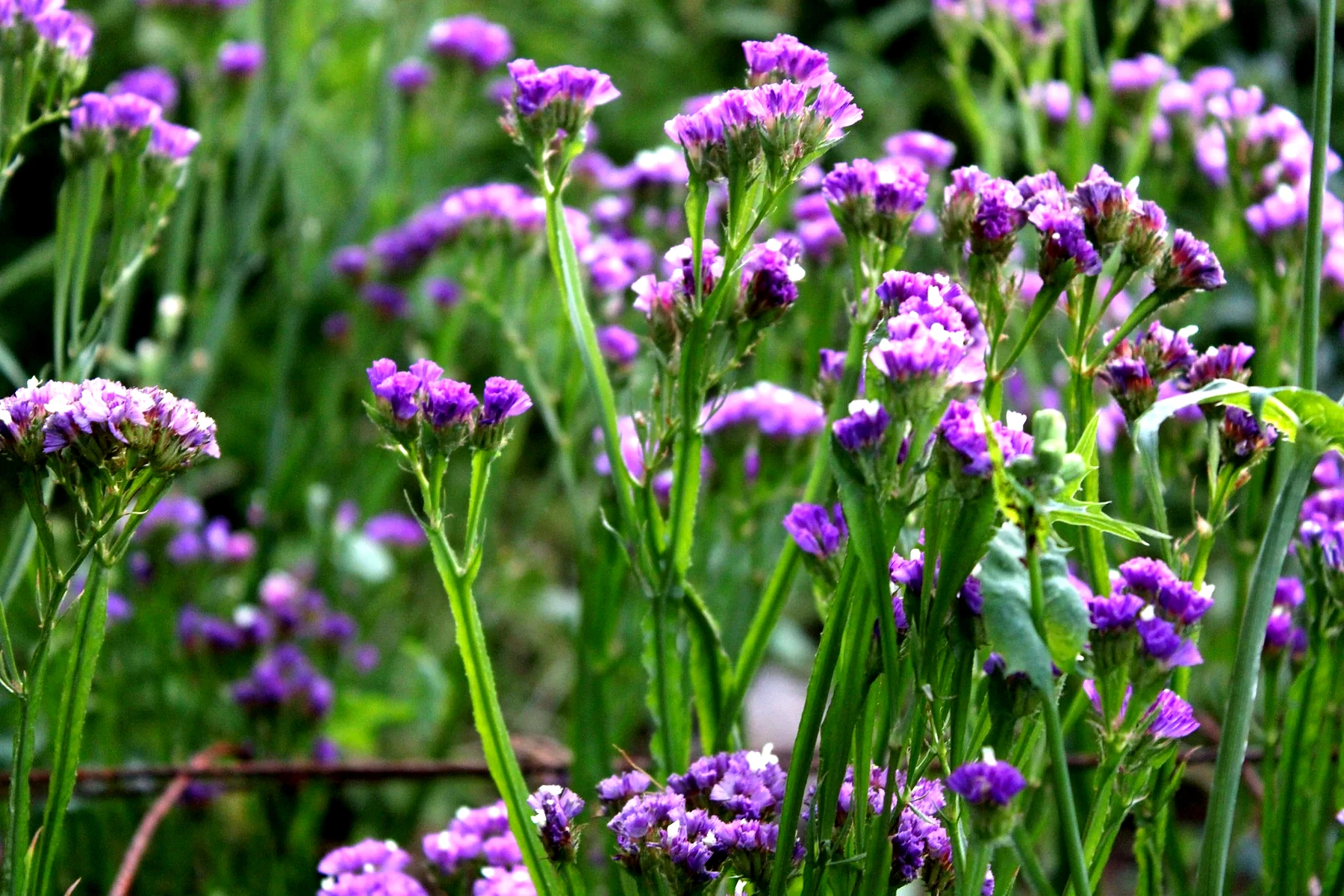
That is part of the pleasure of walking the place: a sunflower can mark the edge of a row, a patch of statice can become a cloud of purple, and a single zinnia can pull your eye into a corner you might otherwise pass by.
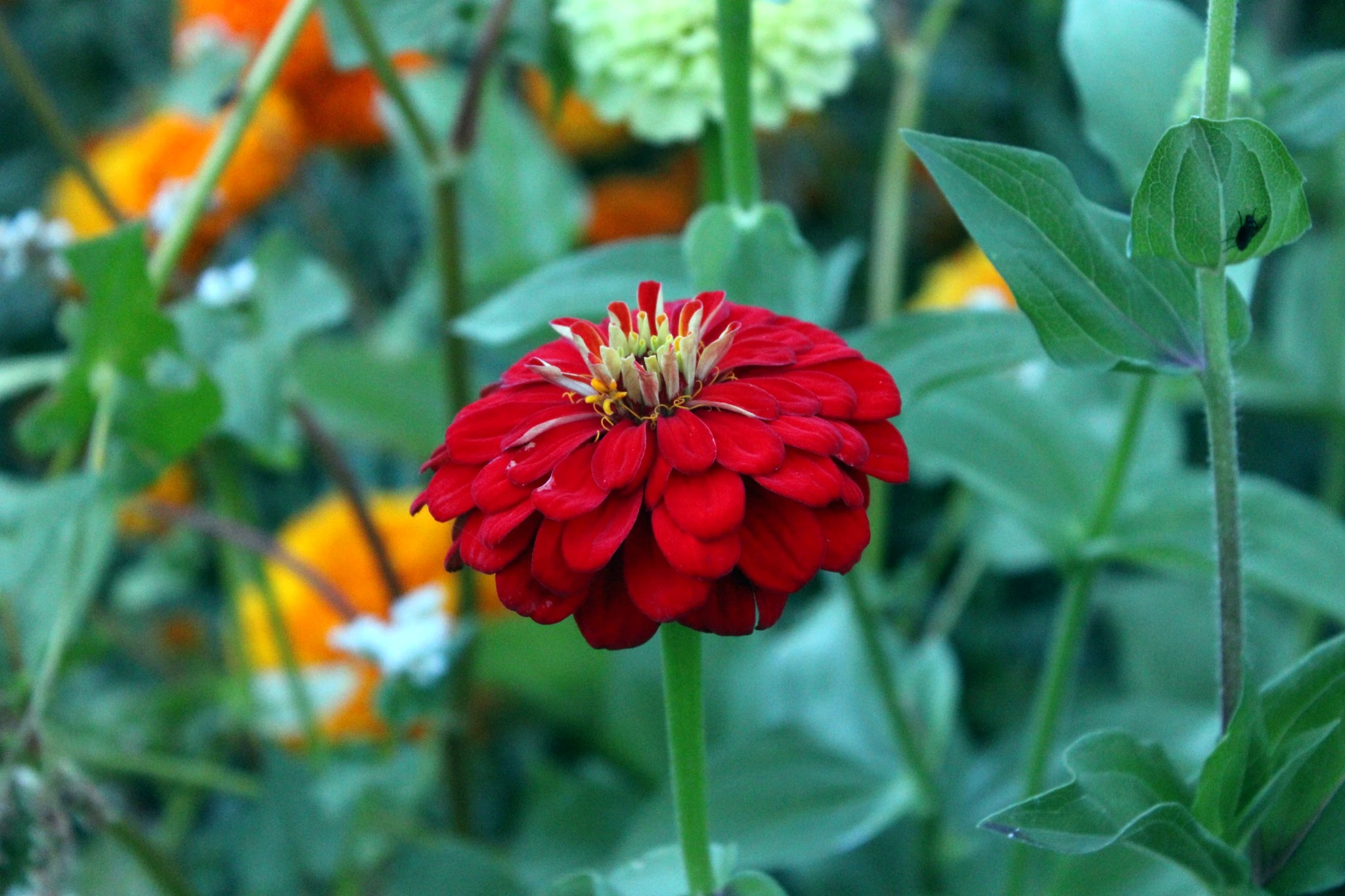
This gallery keeps every photograph in the orientation it was shot — no forced landscape crops, no empty masonry holes, and no duplicate frames. The result is a continuous garden wall that moves naturally between close details, vertical stems, wide beds, and deeper field views.
Click any image for the full-size viewer, then move through the garden with the arrow keys, on-screen controls, or a swipe.
Botanical naming note: labels use species-level names where the photographs support a confident identification. Cultivated dahlias are intentionally listed as Dahlia hybrids because the exact cultivar cannot be confirmed from a photograph alone.
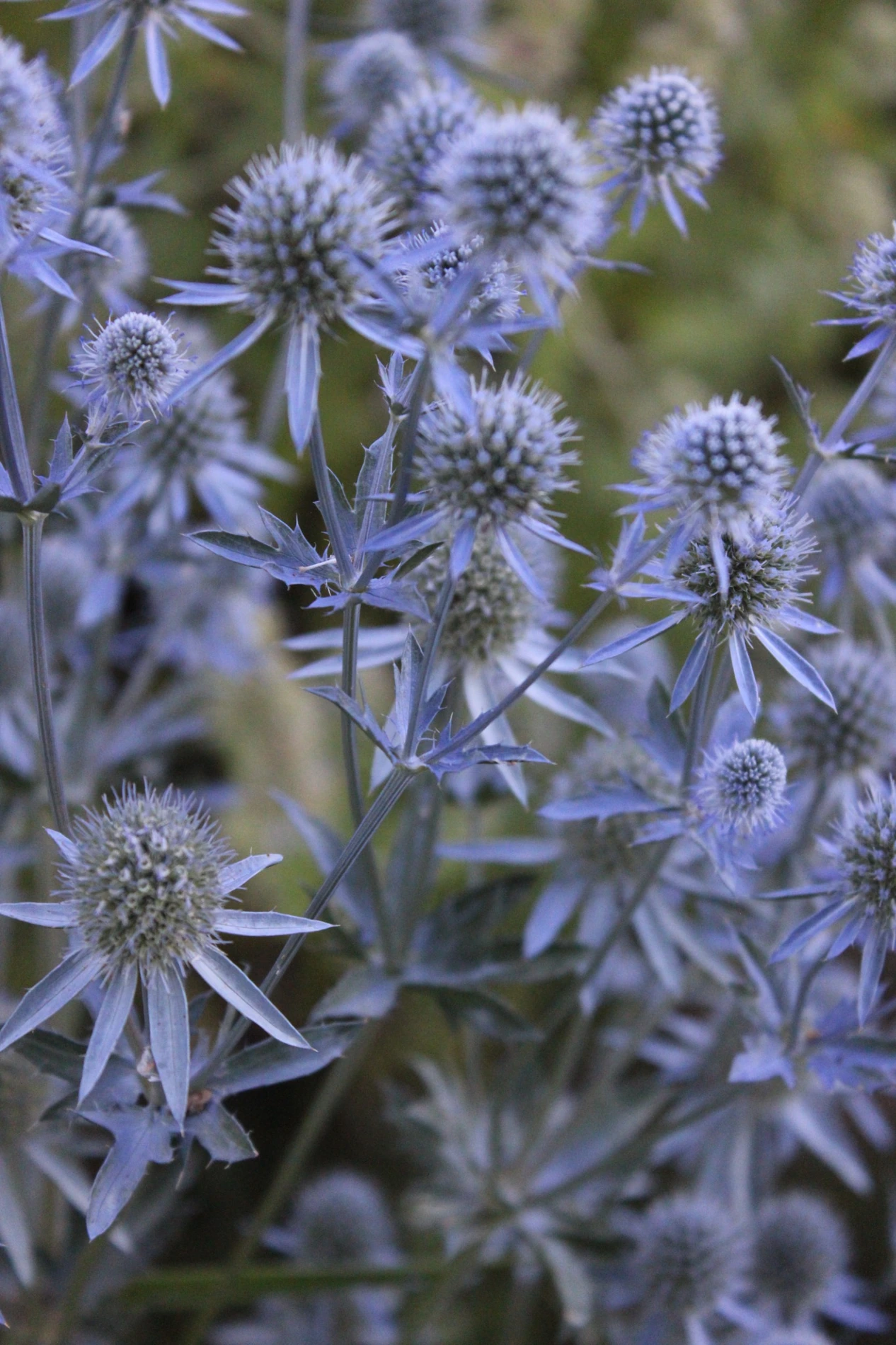
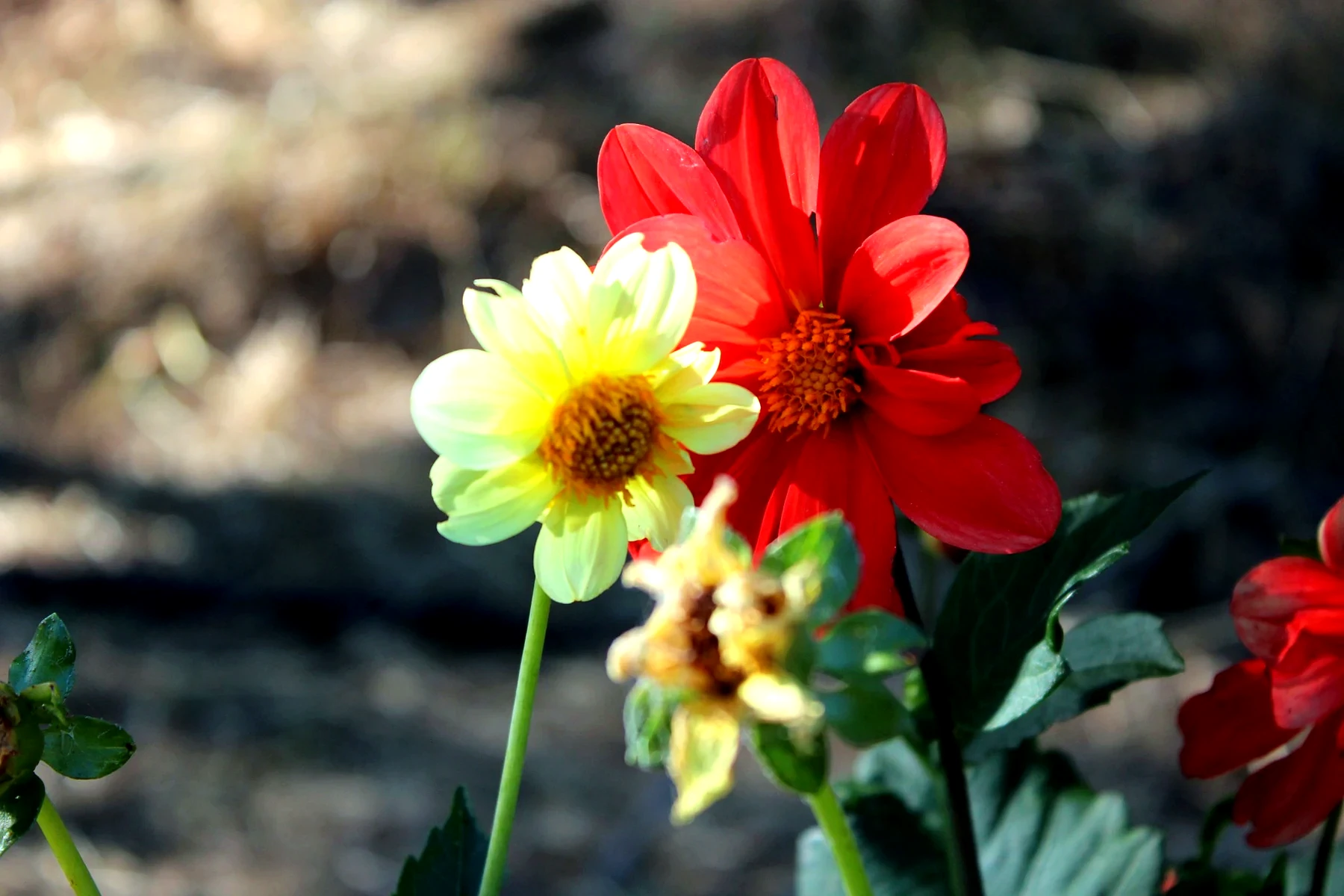
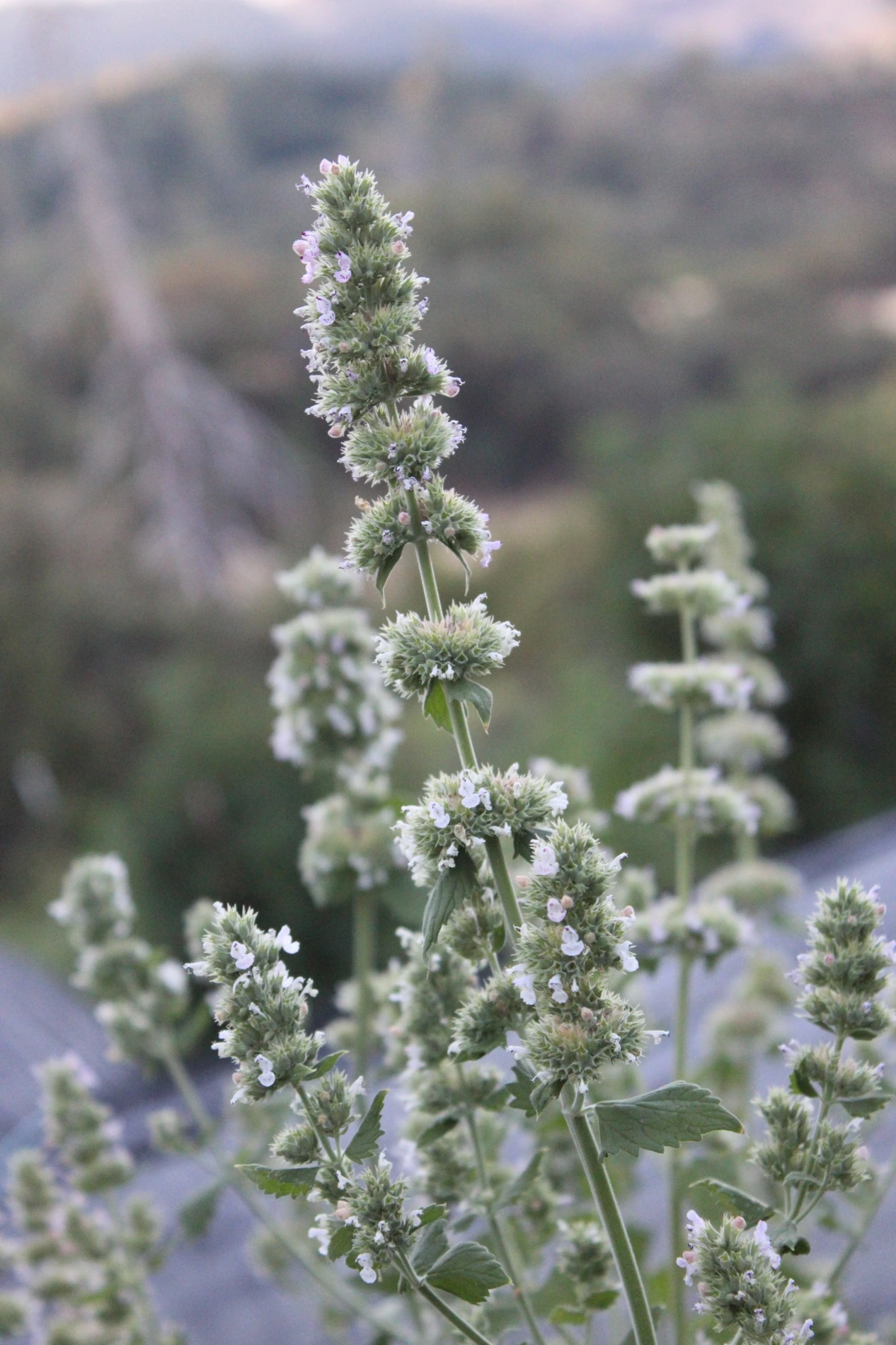
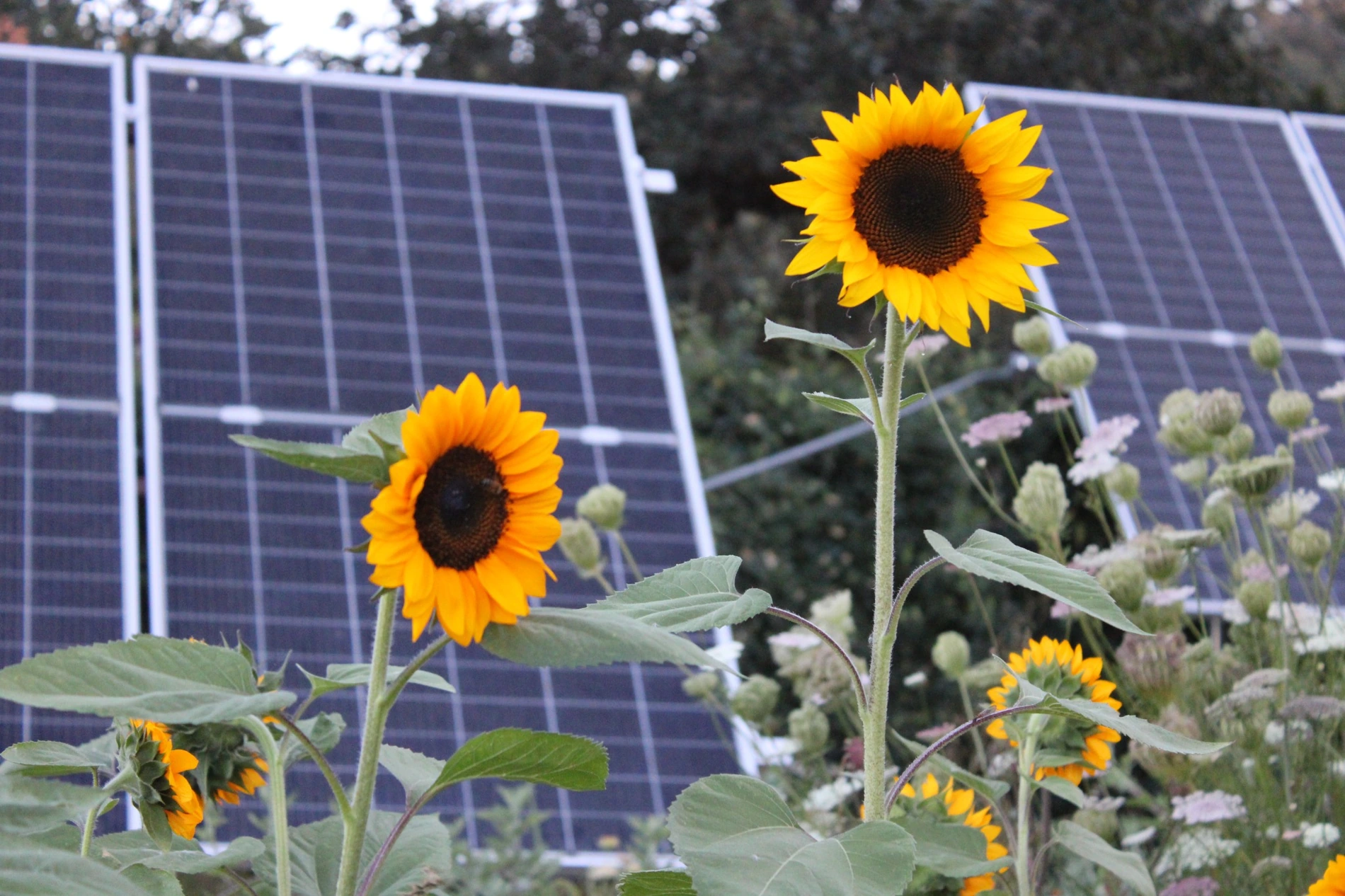
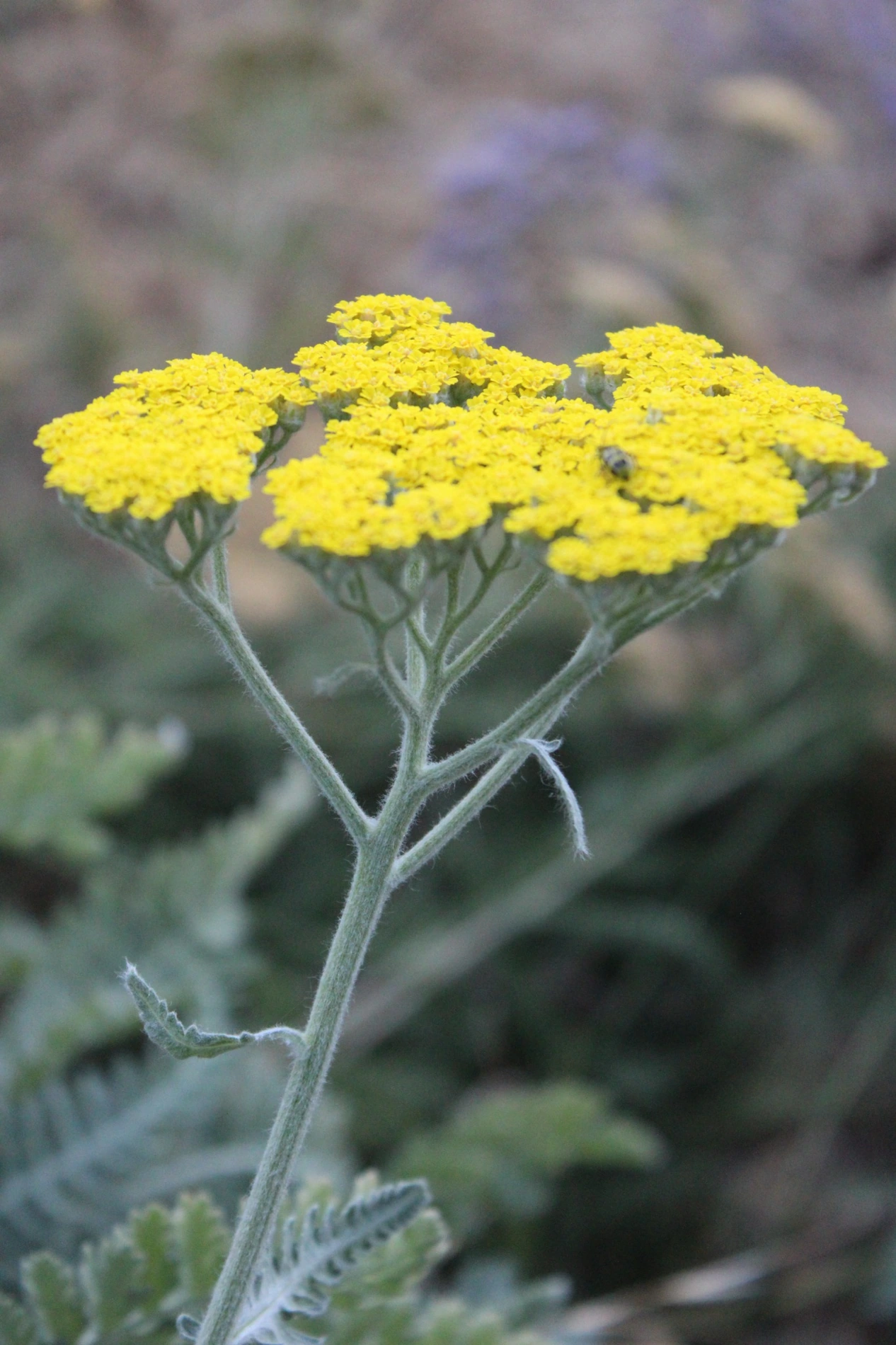
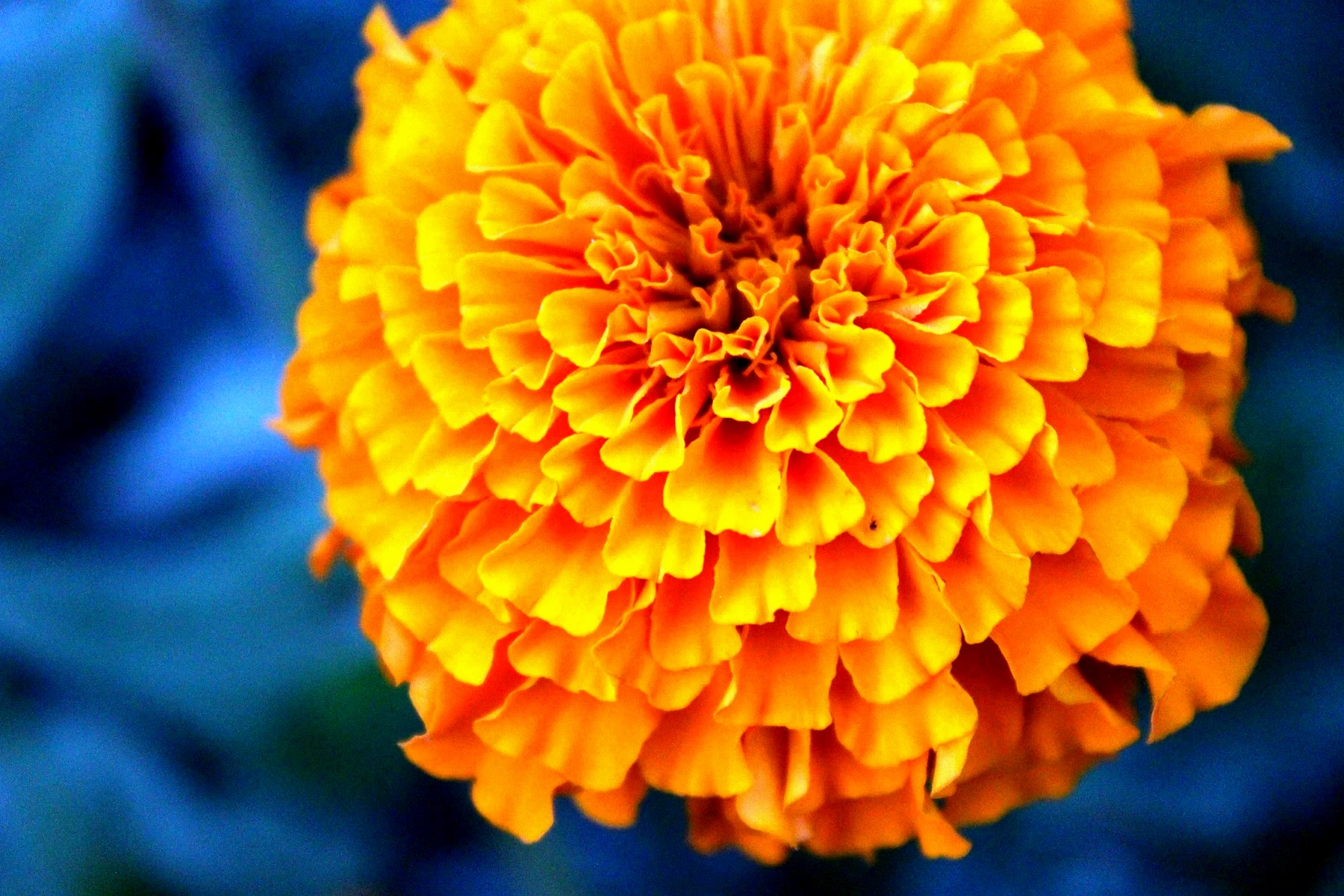
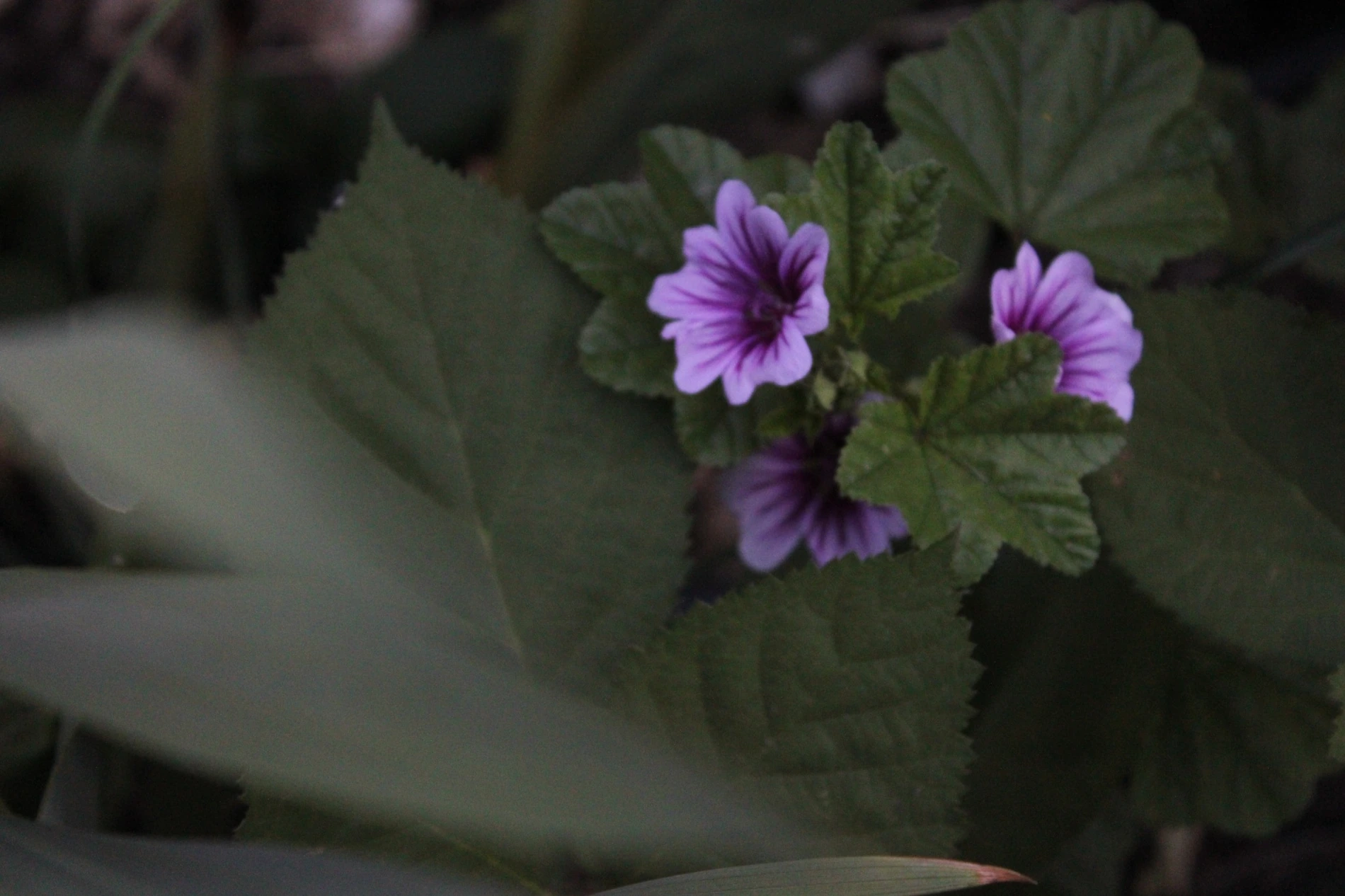
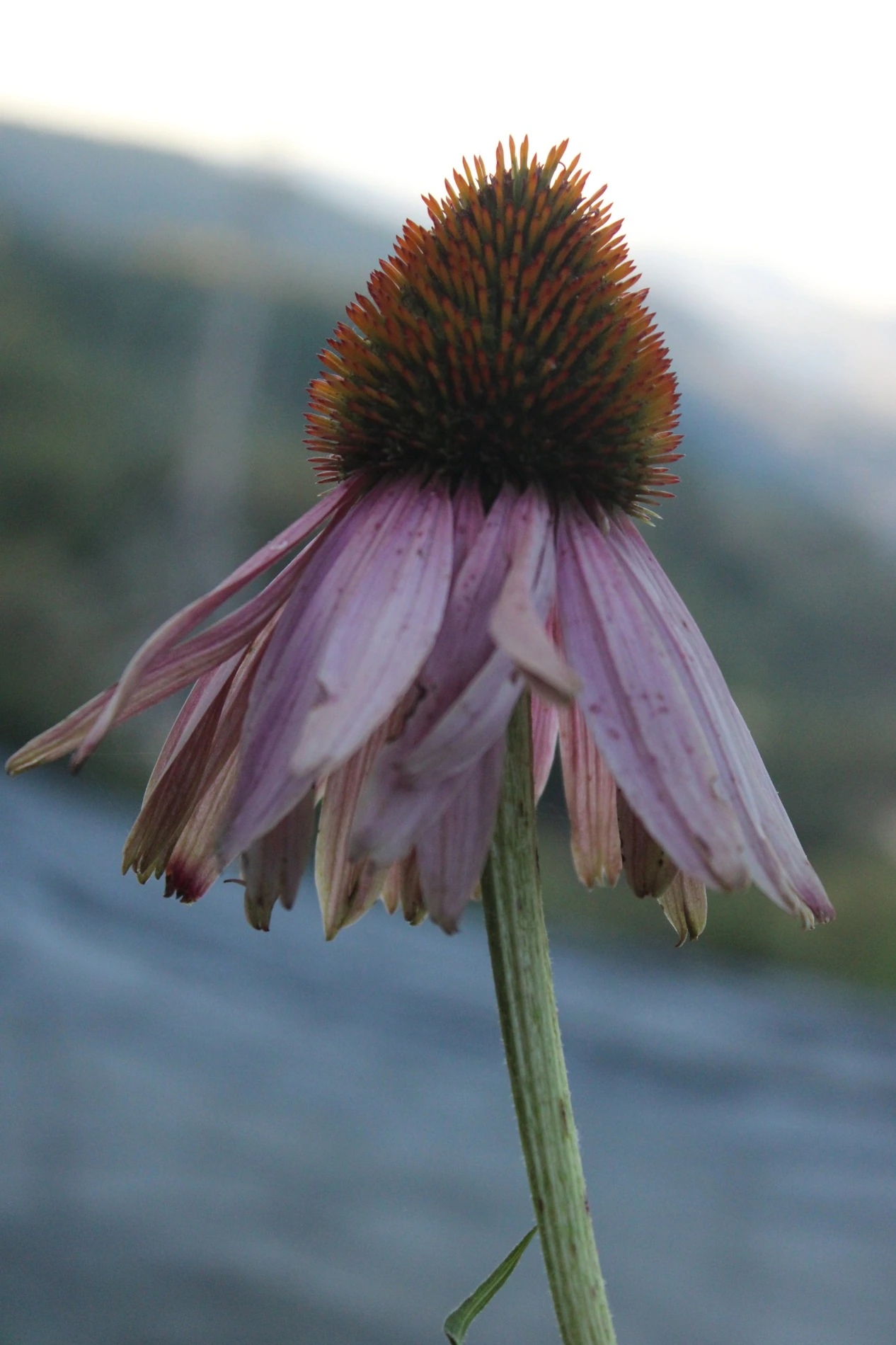
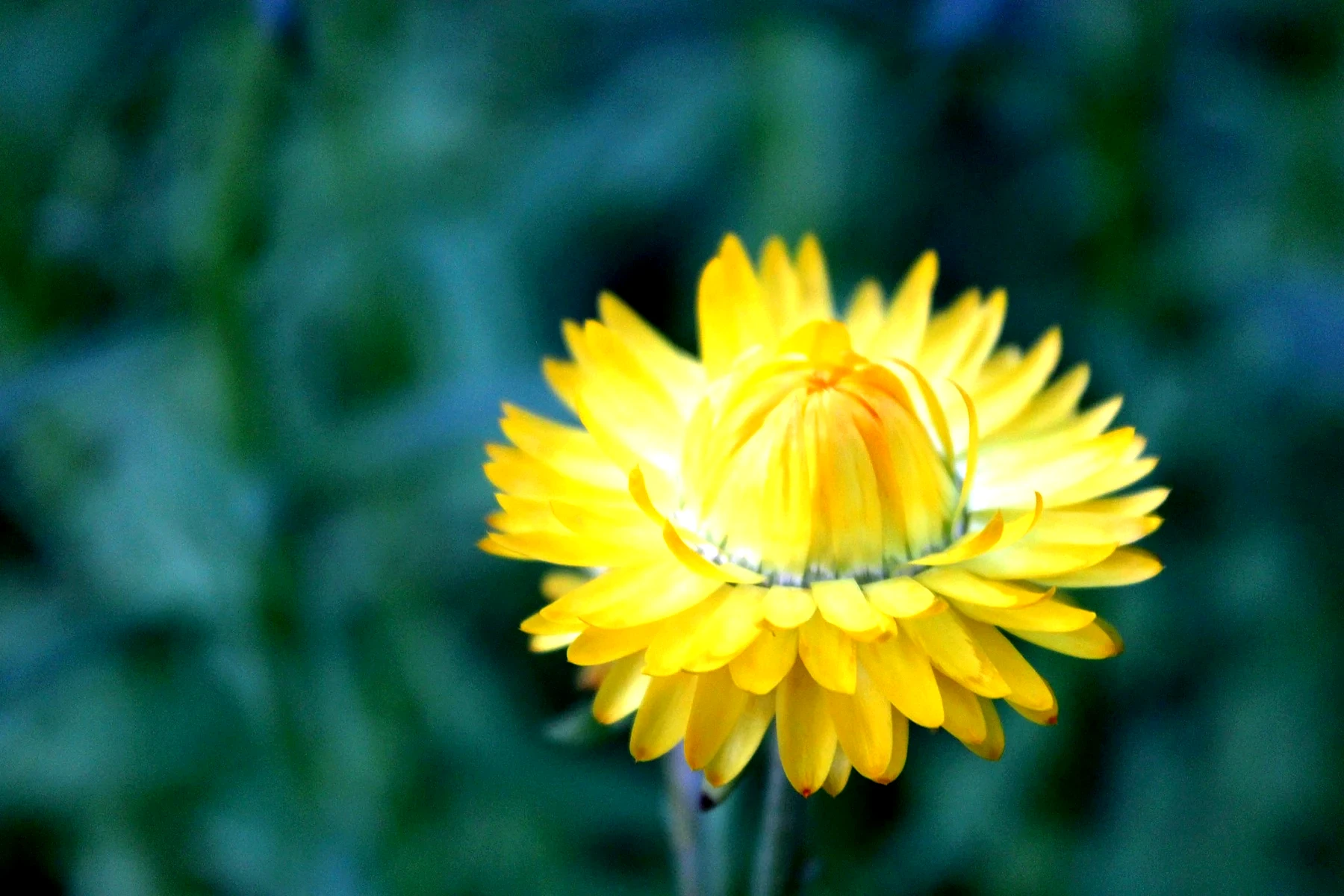
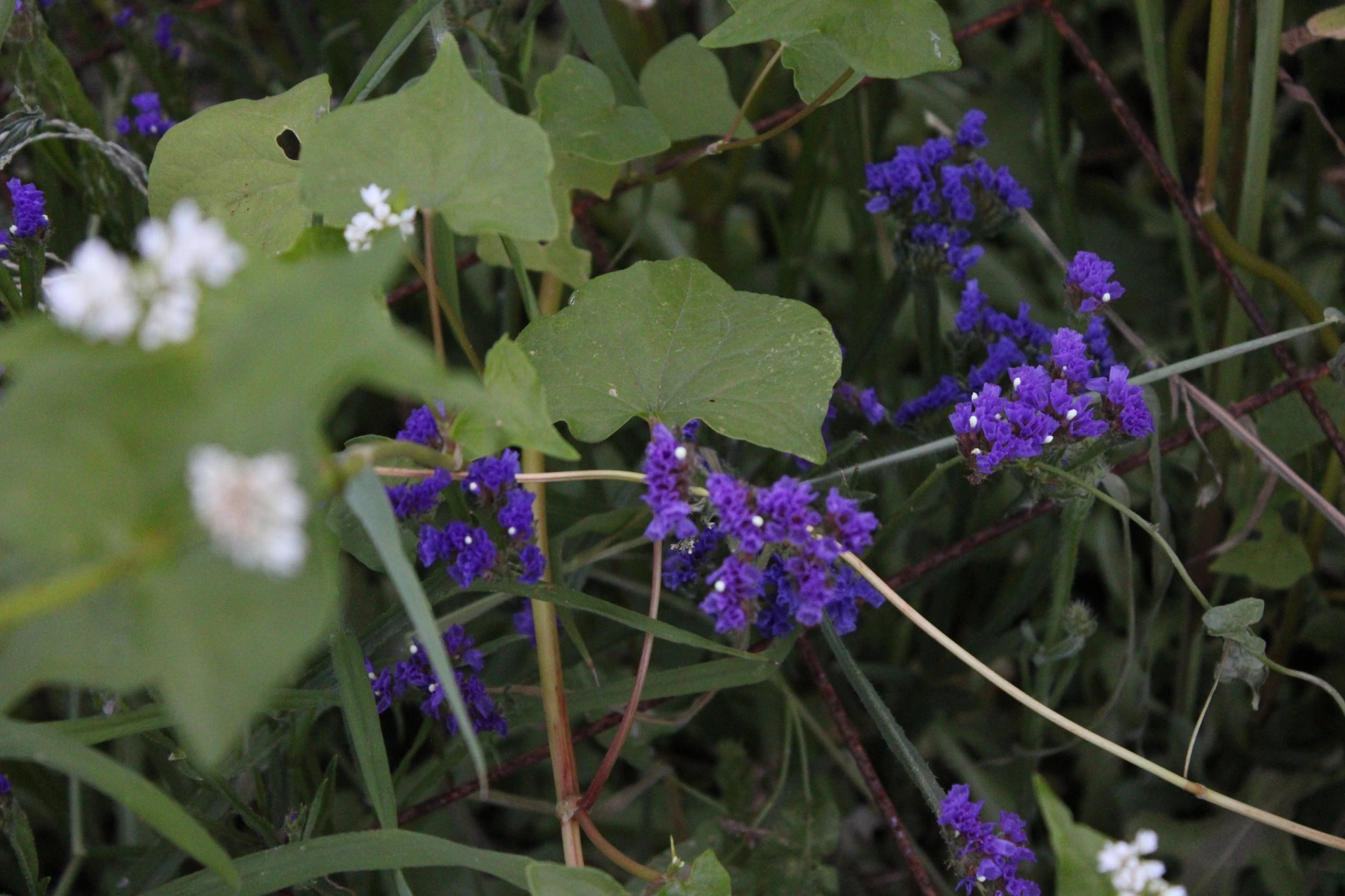
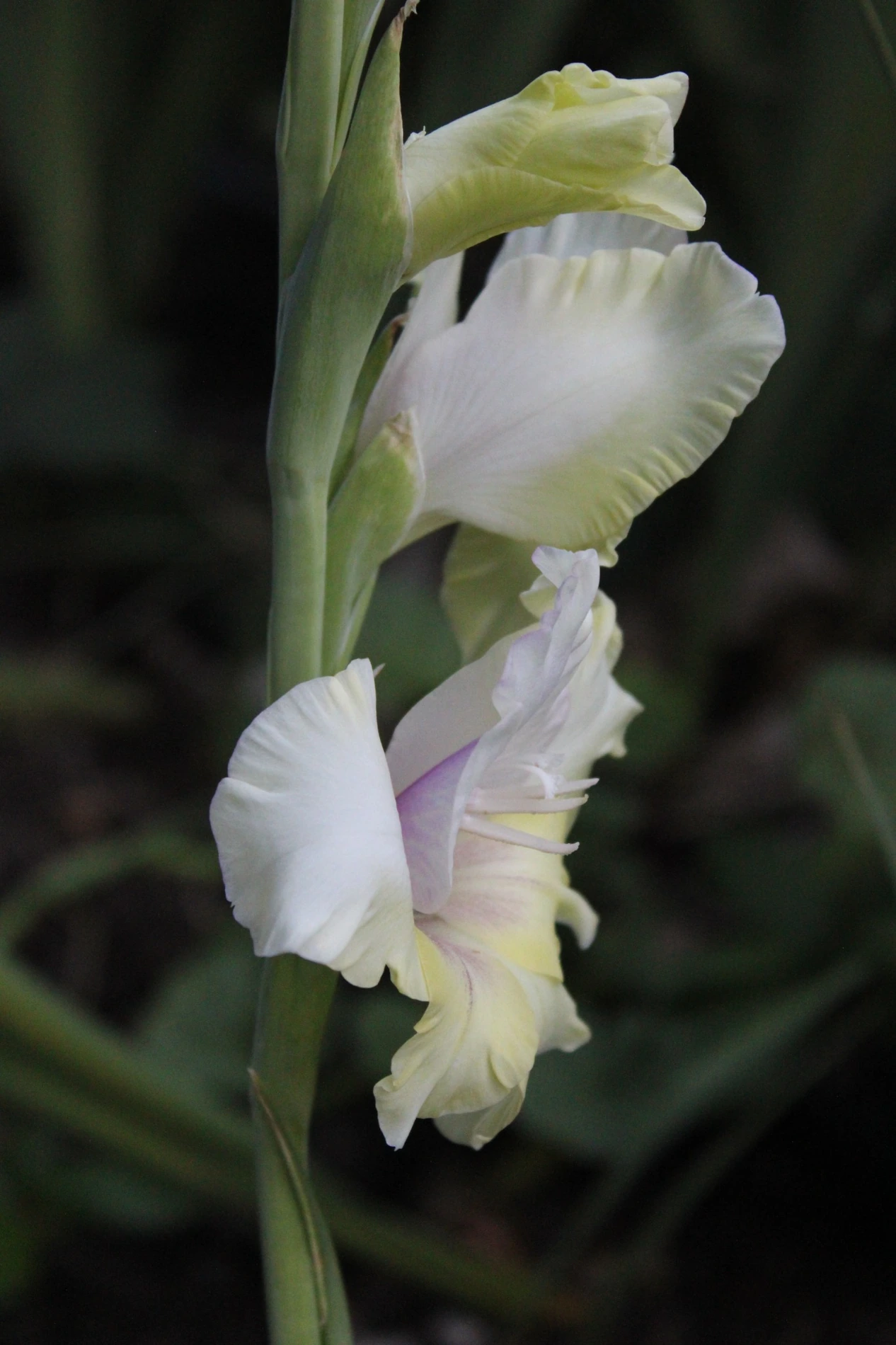
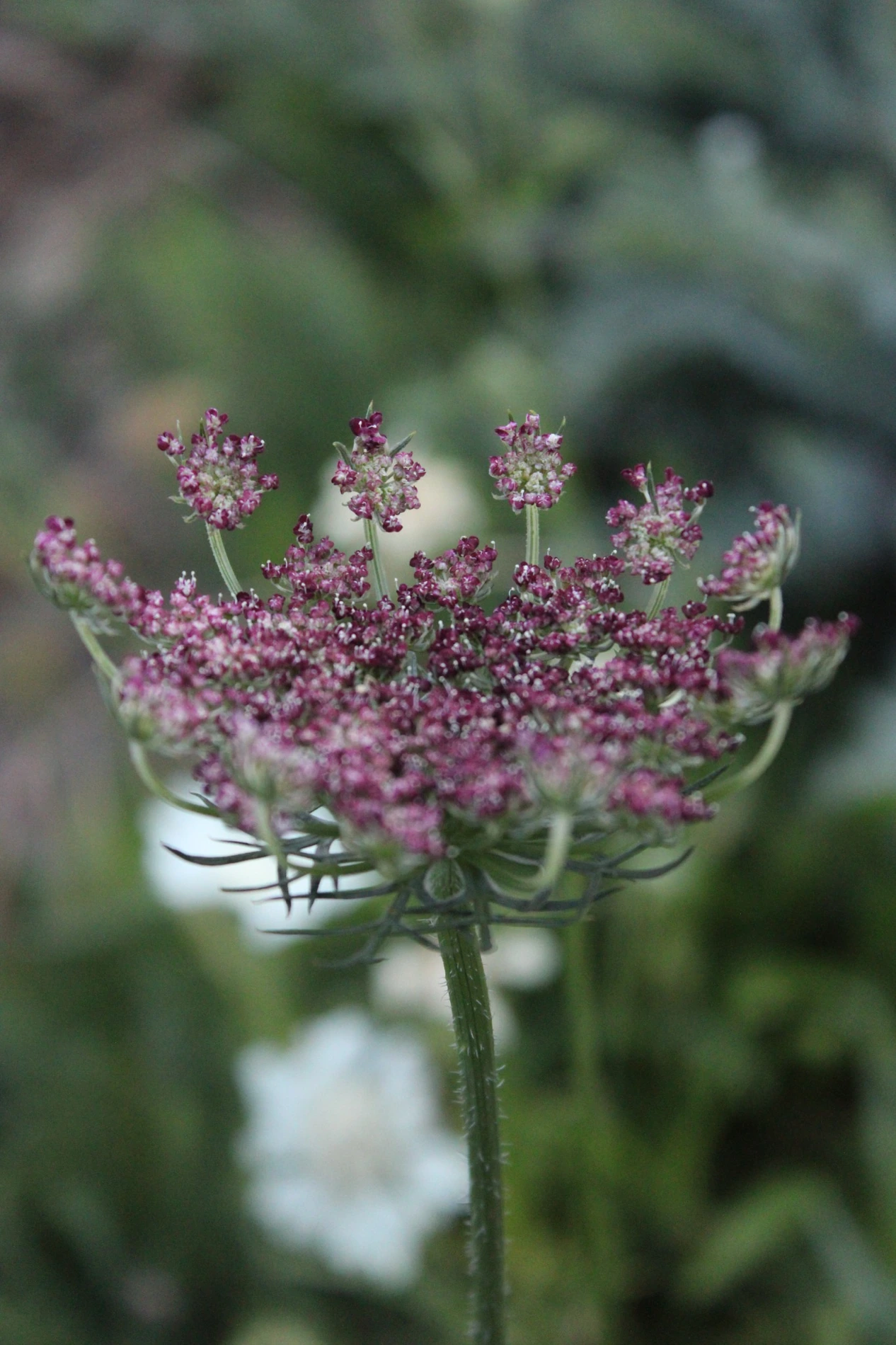
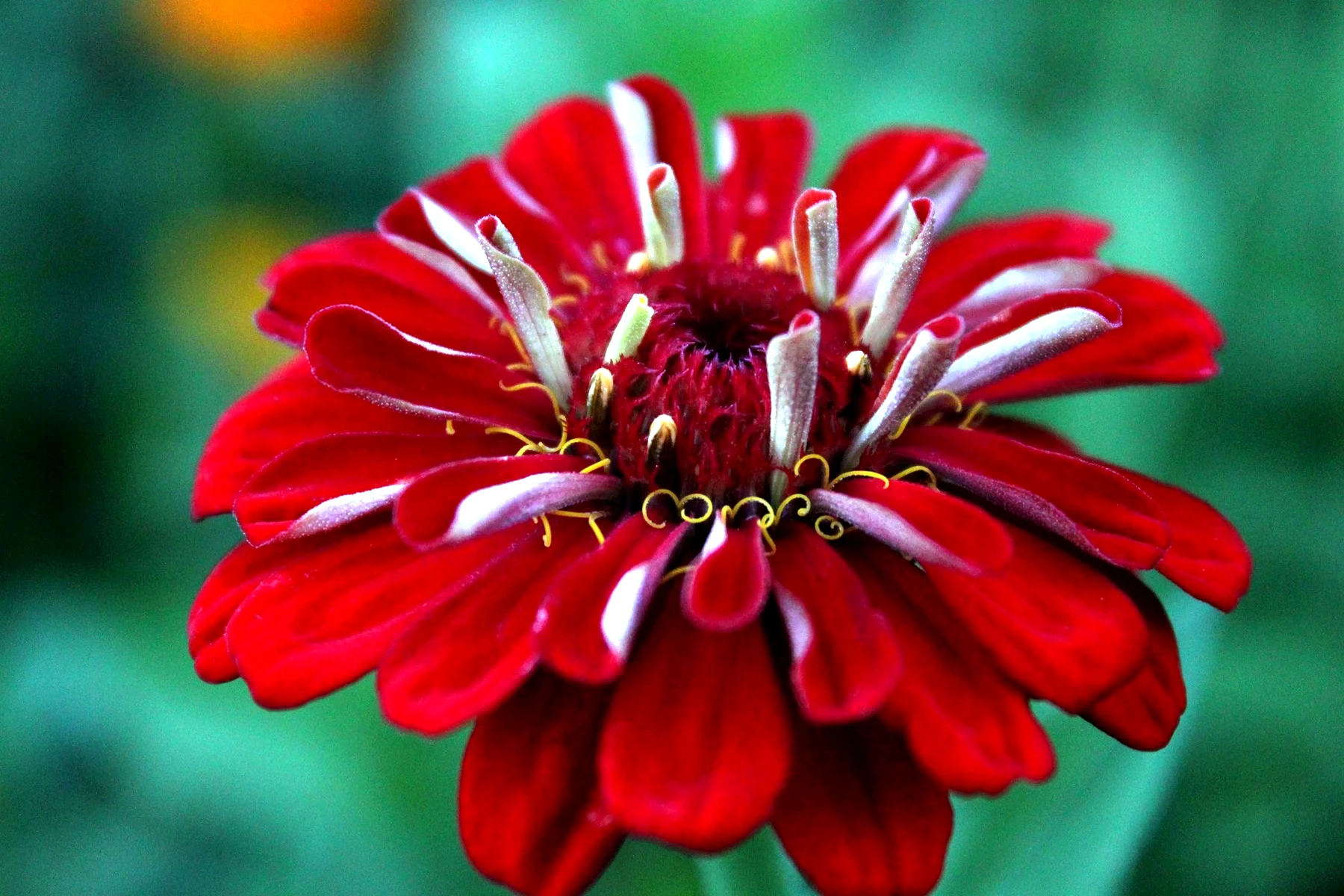
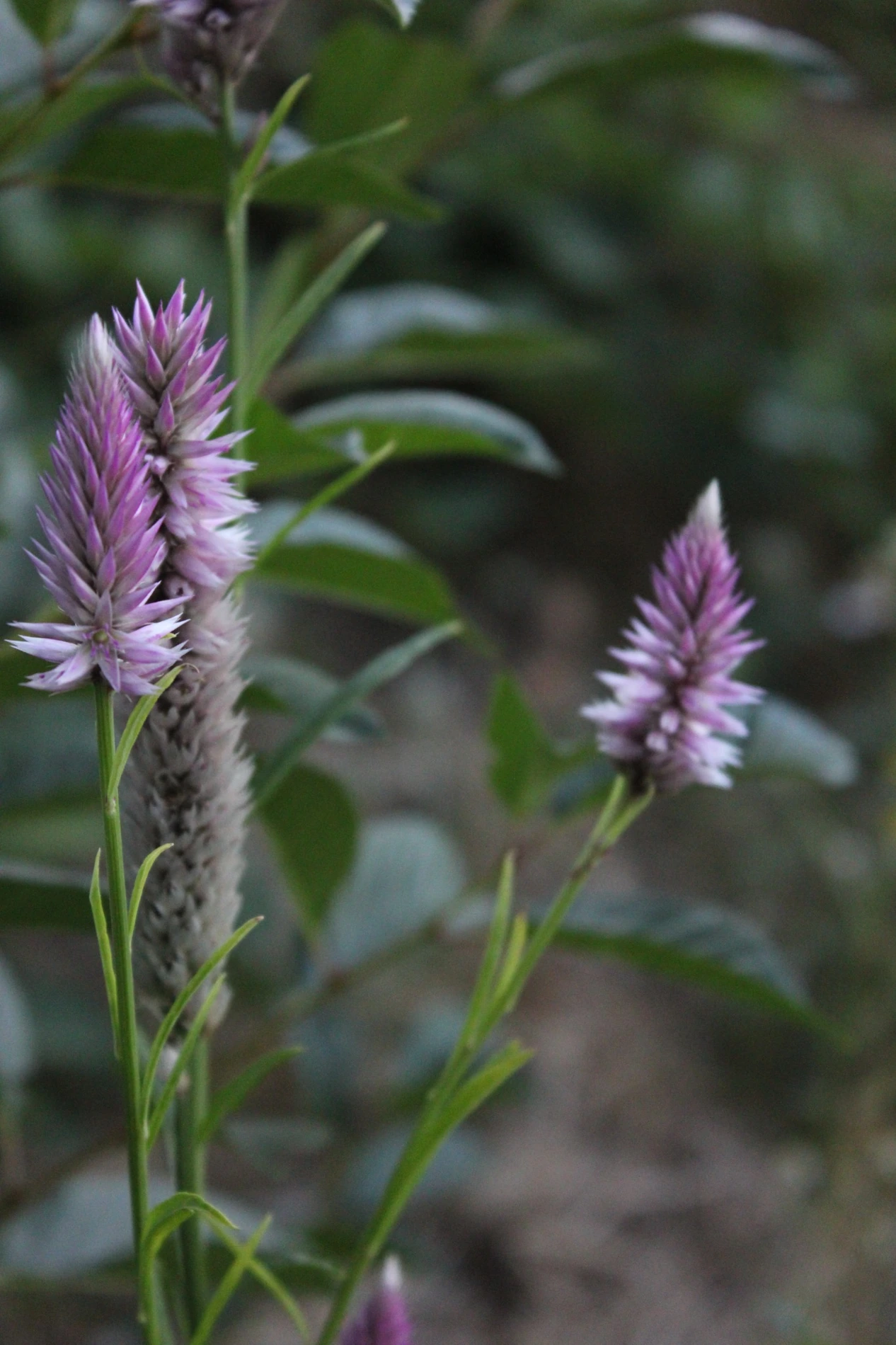
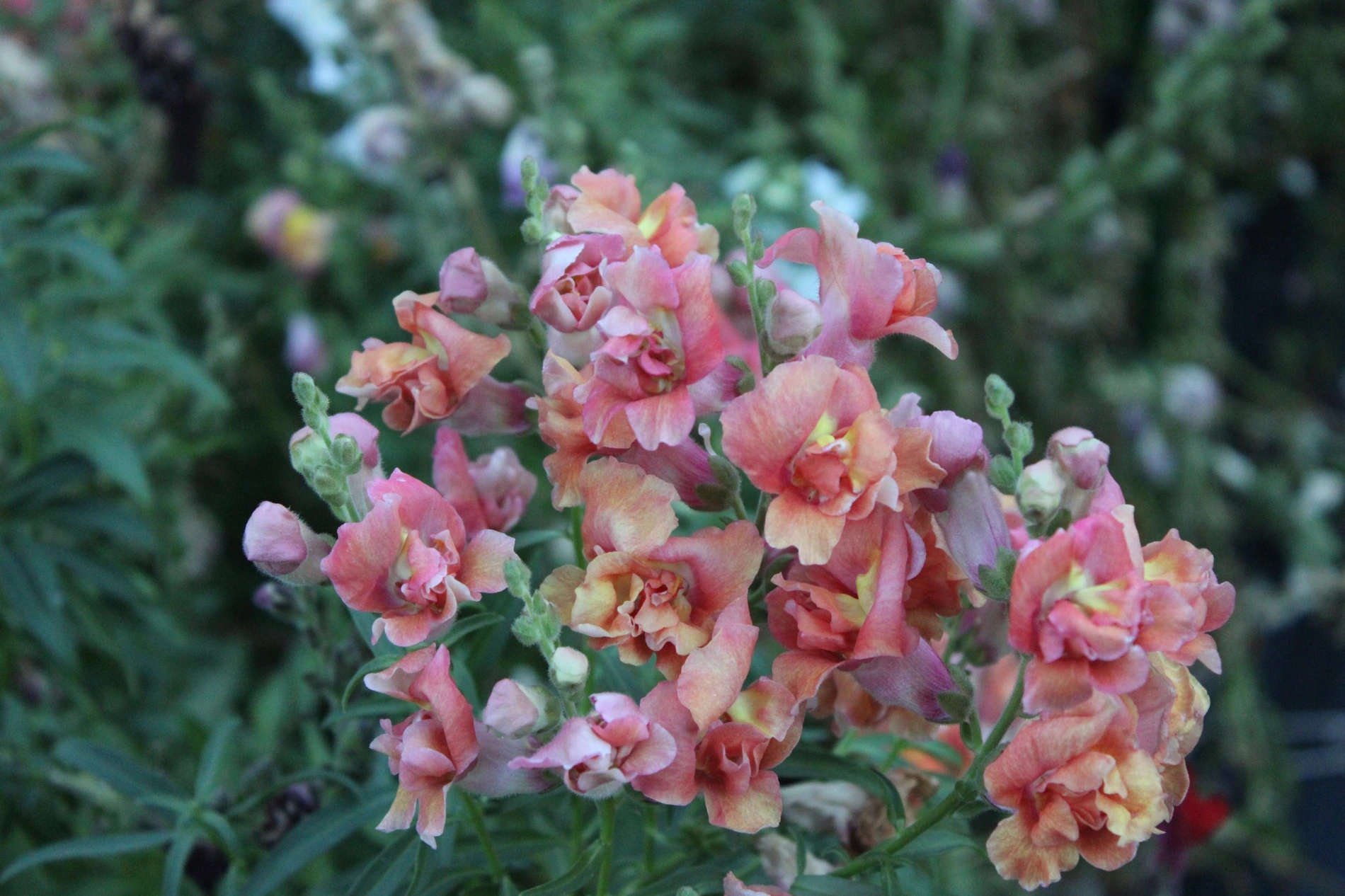
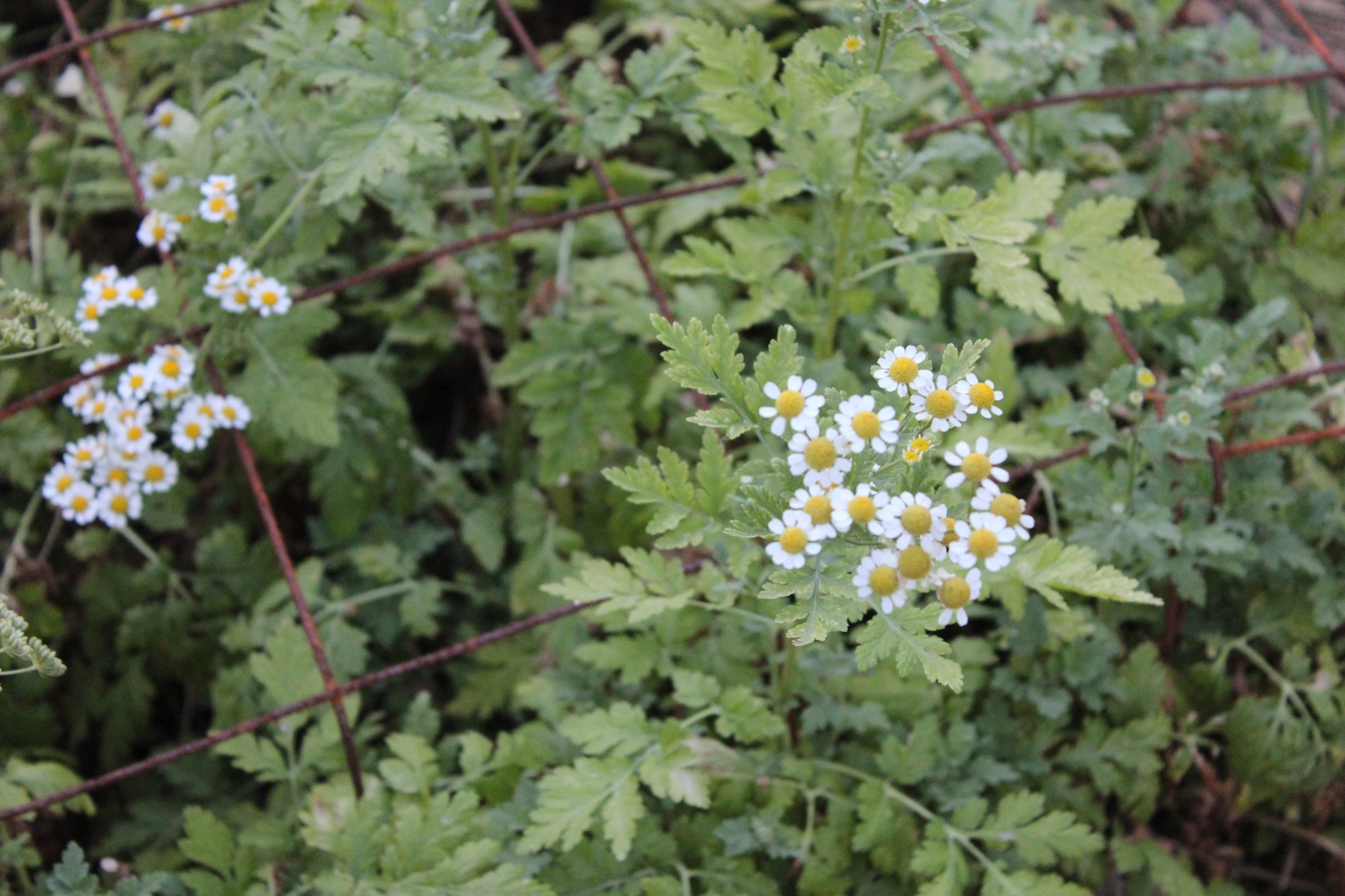
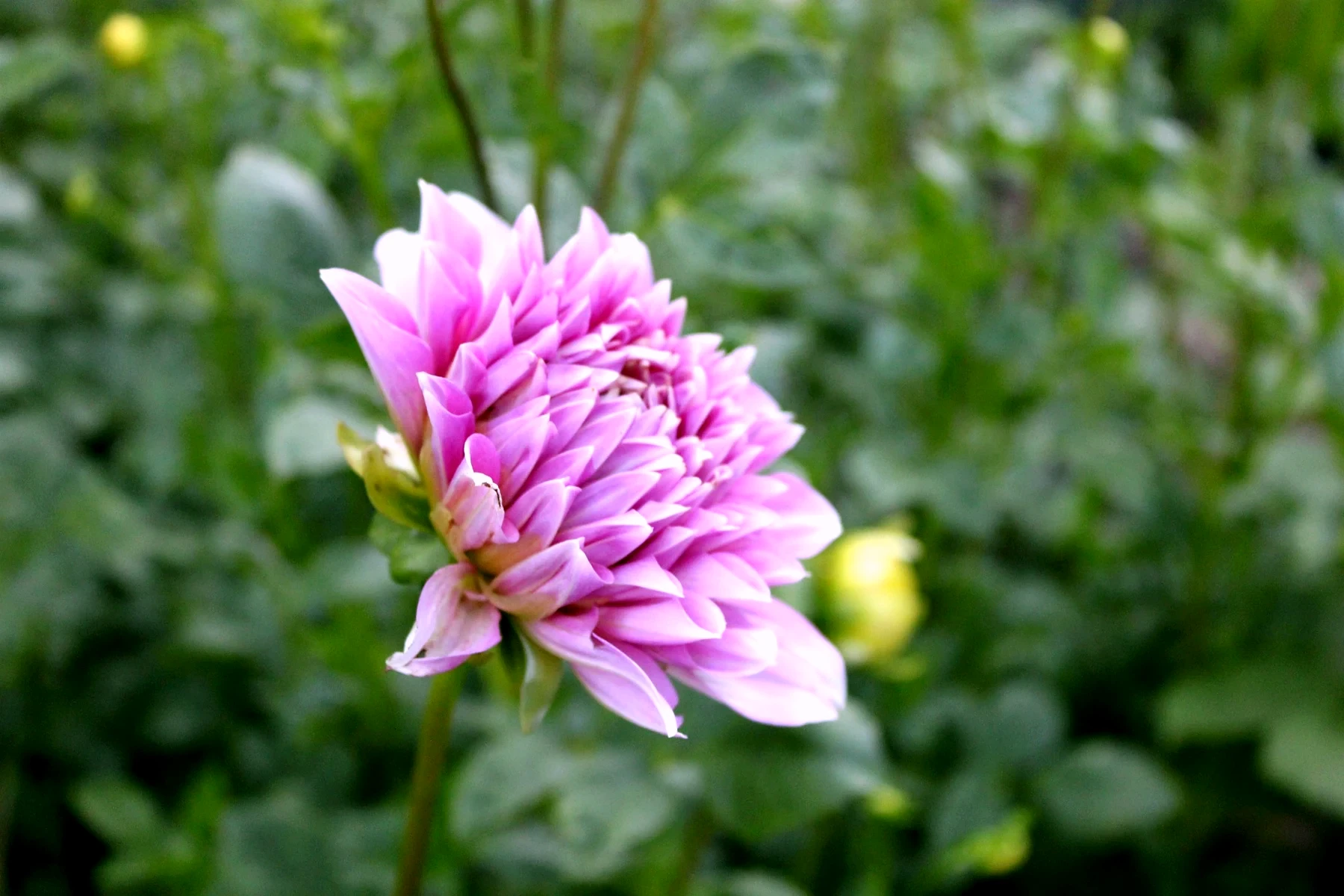
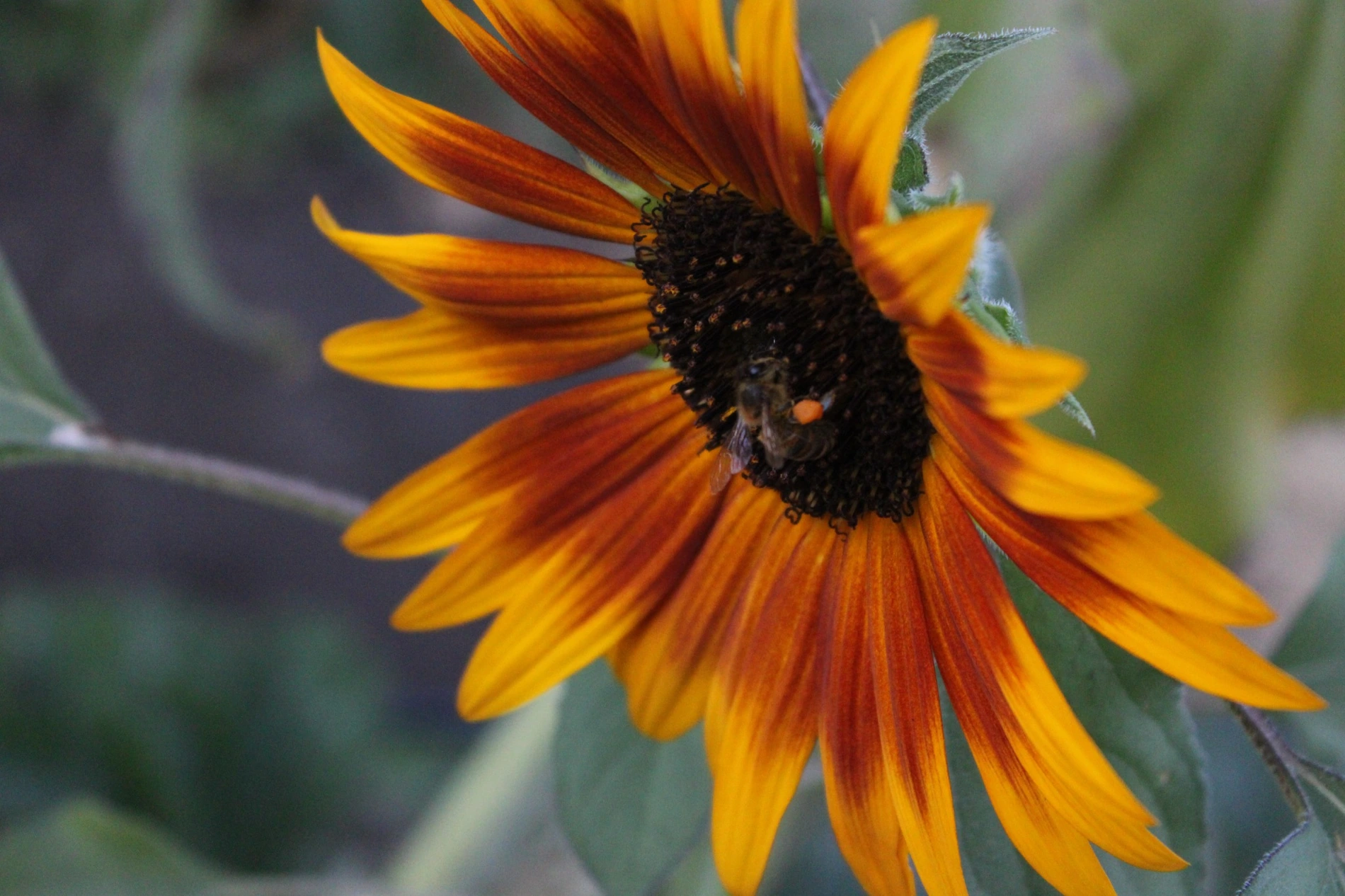
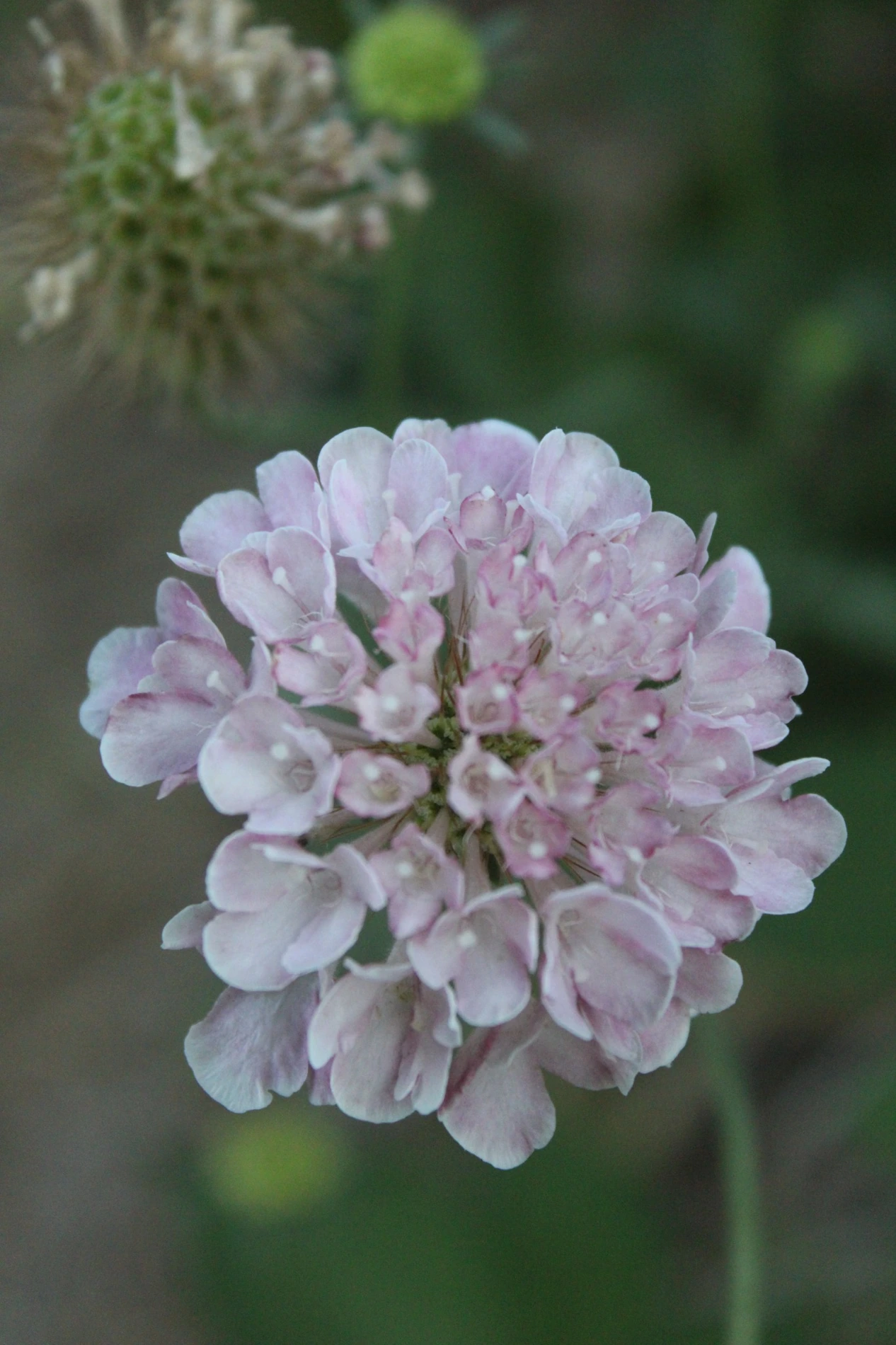
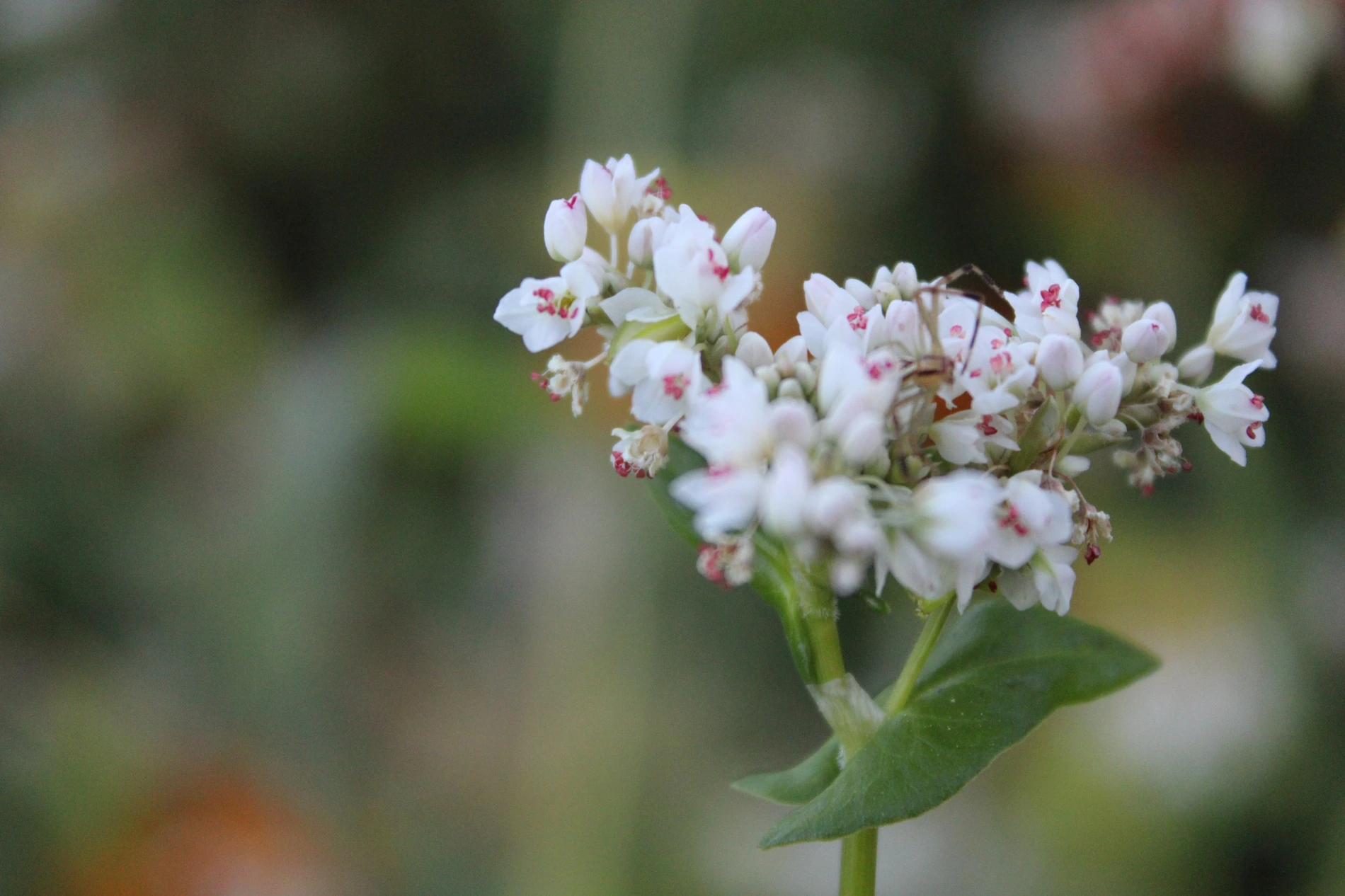
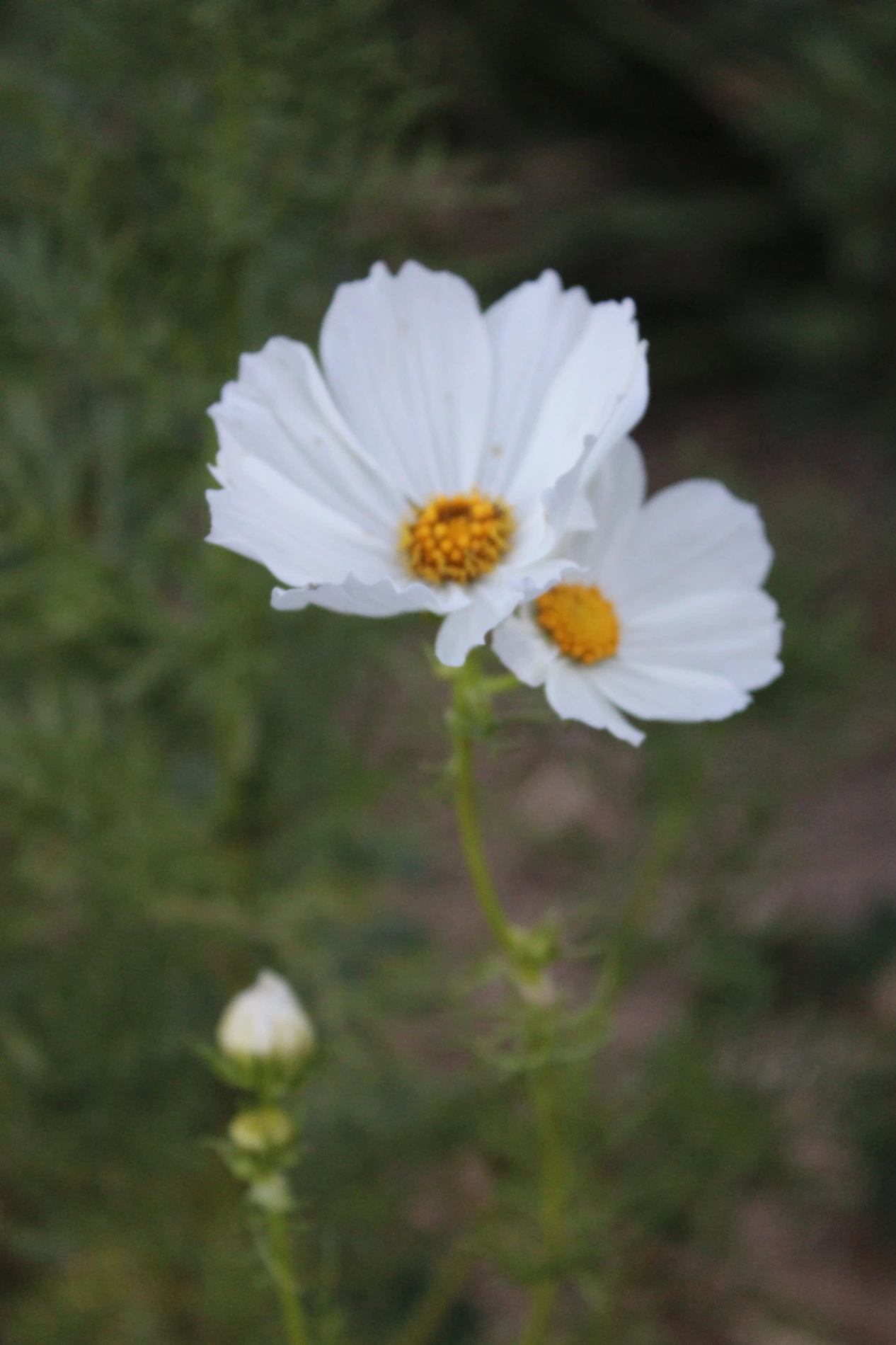
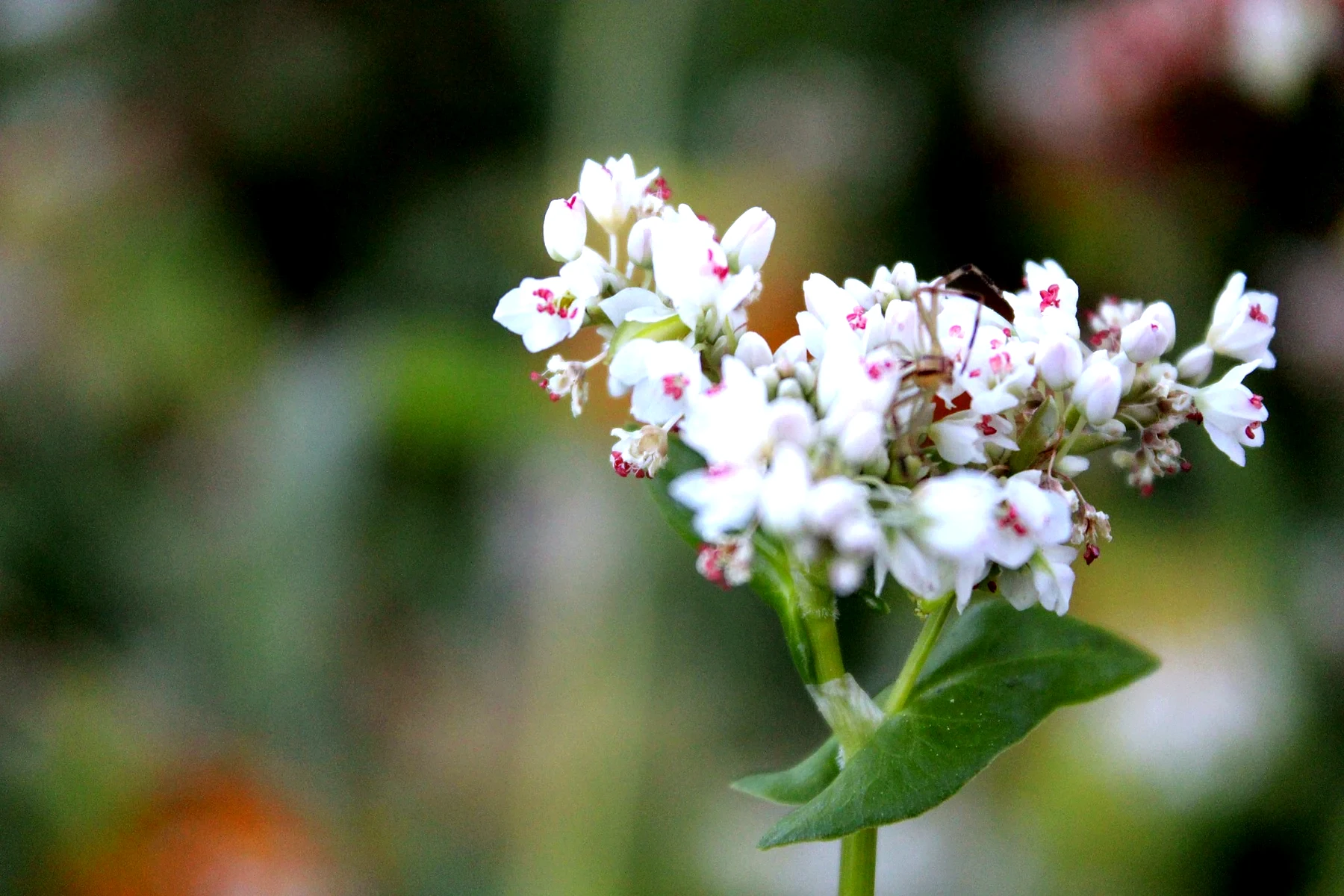
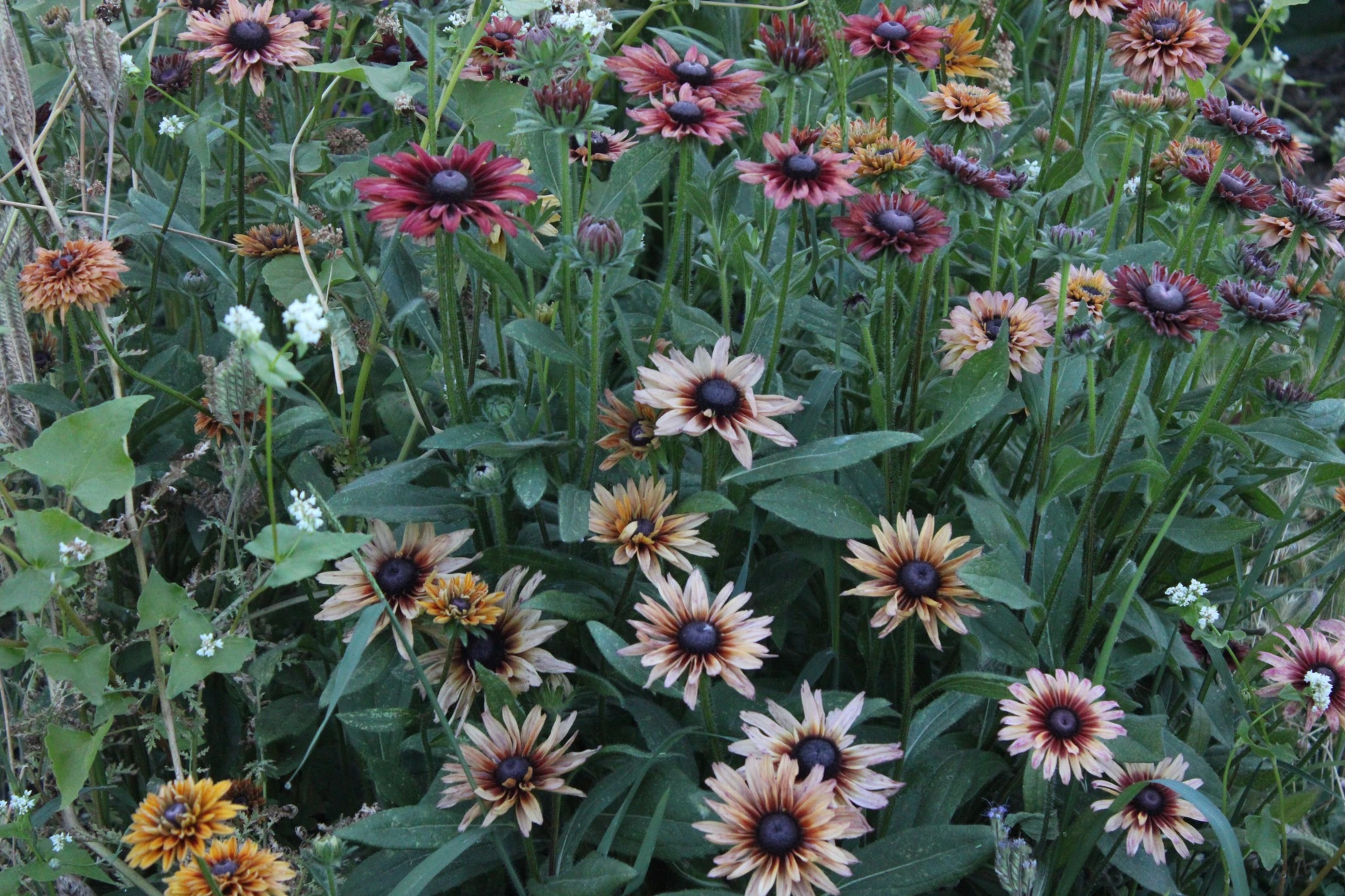
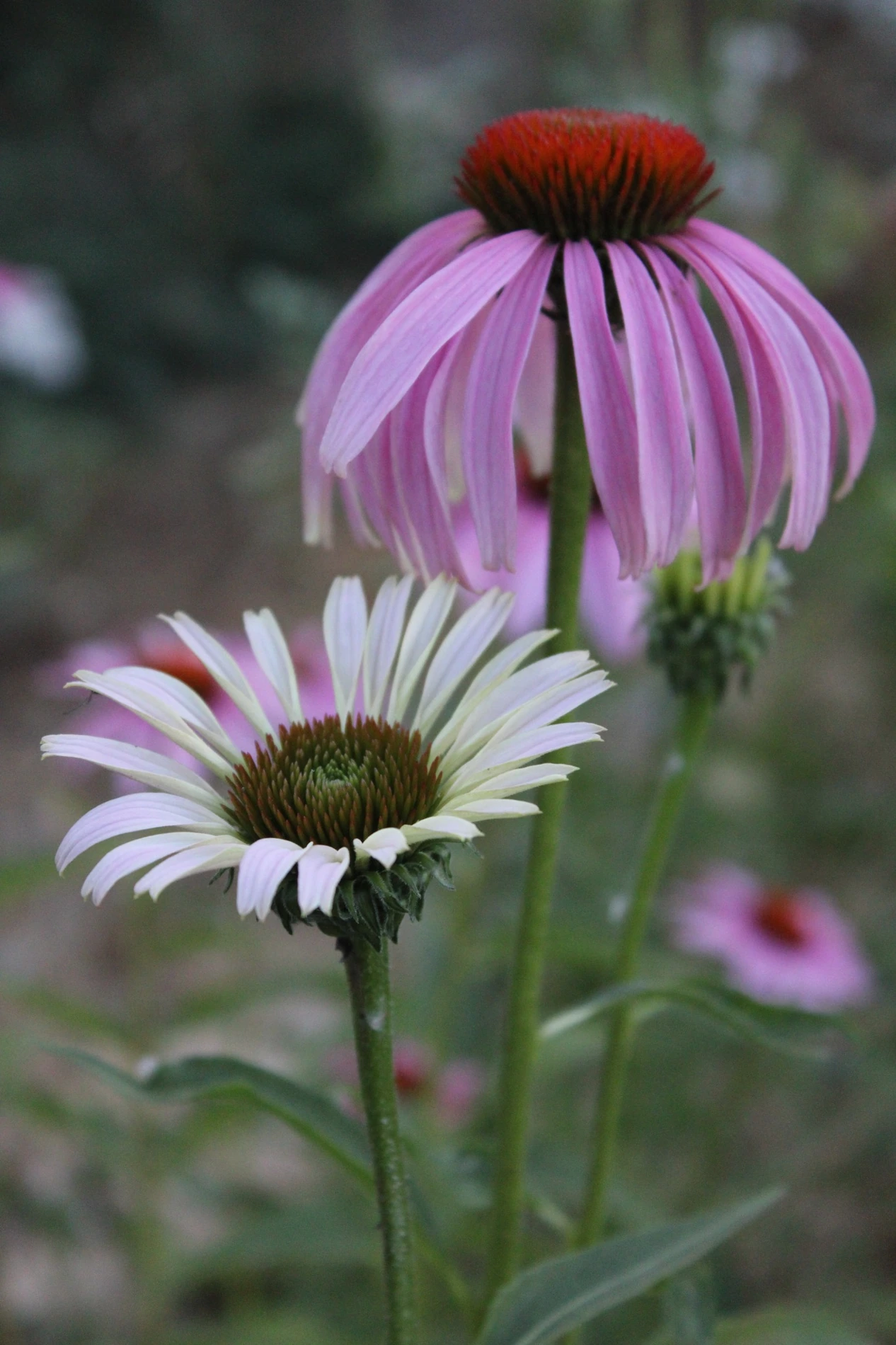
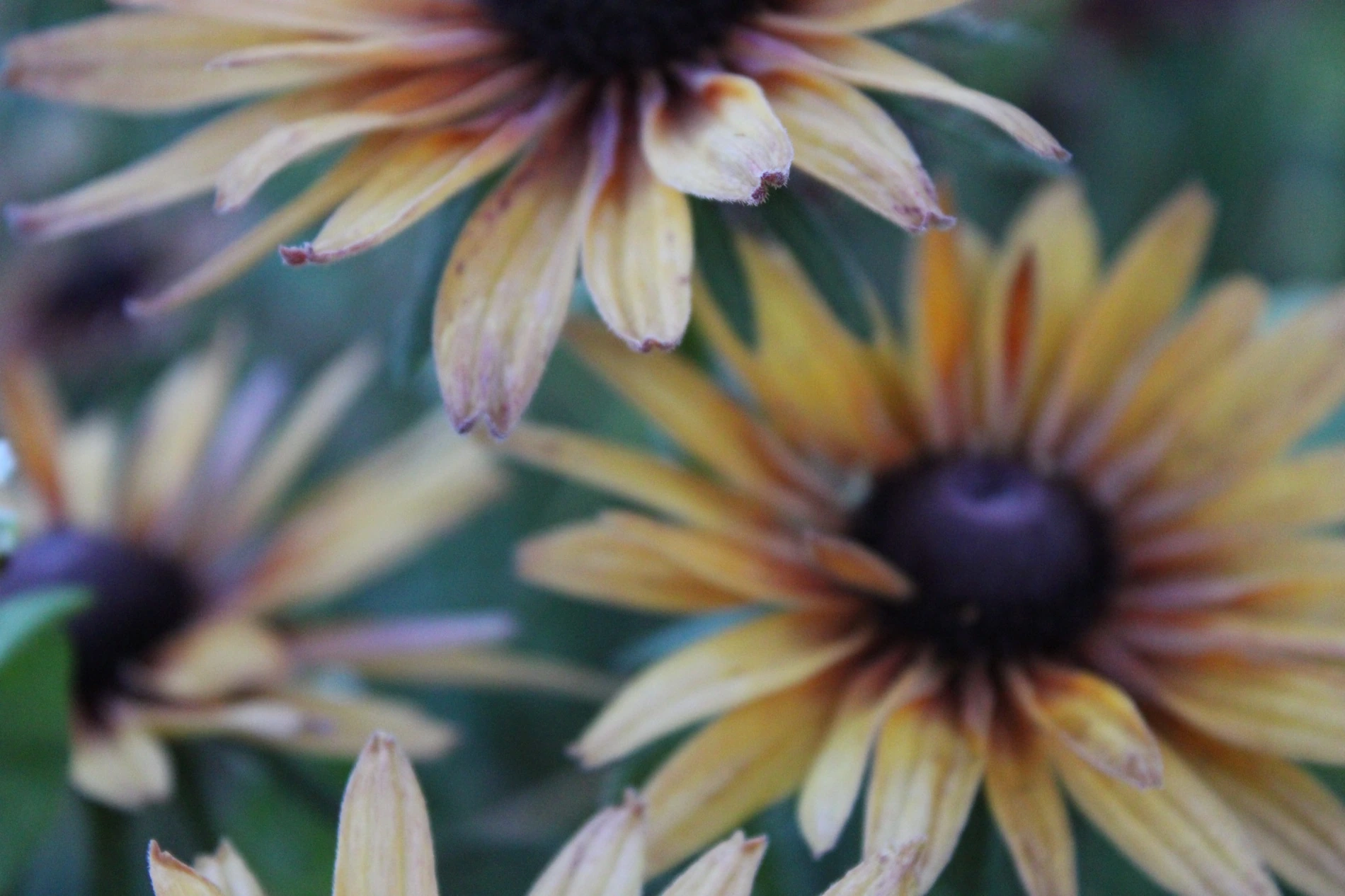
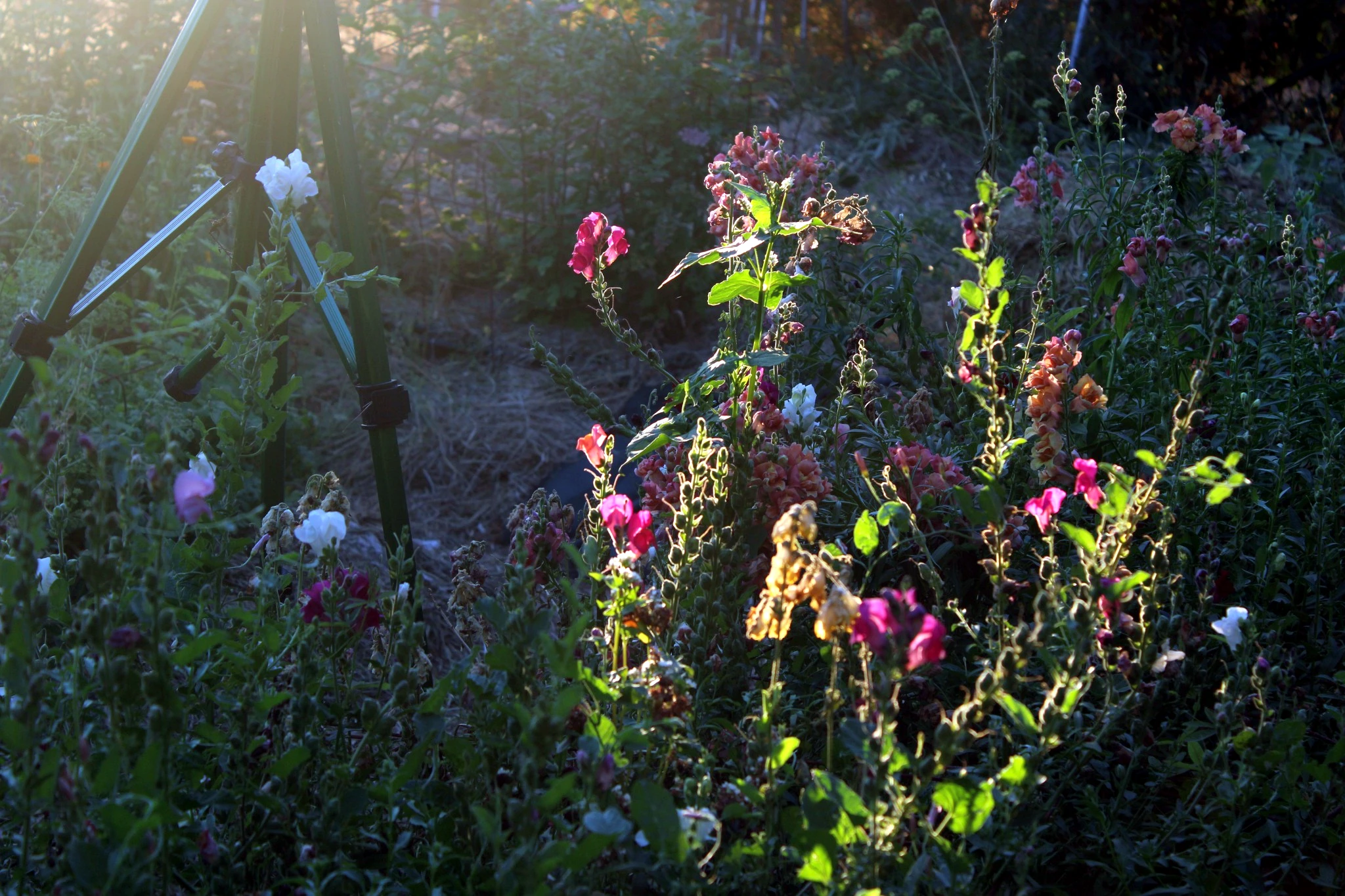
HappyDay Farms grows flowers alongside produce for CSA shares and local farmers’ markets. Cutting a bloom does not end its farm story — it simply moves that color from the row into a box, a bunch, a table, or someone’s home.
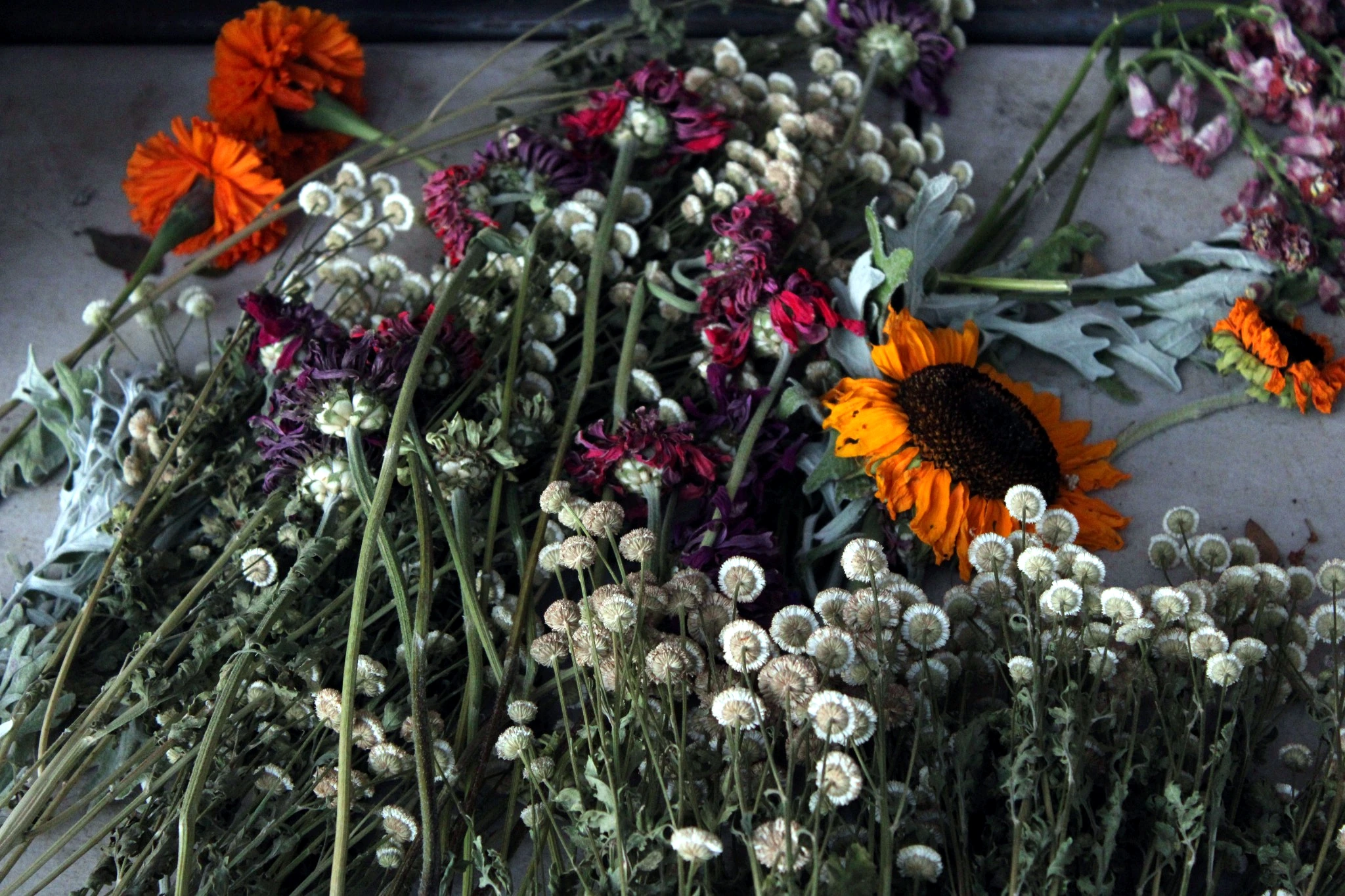
The garden also keeps plenty of room for flowers to mature in place, feed insects, set seed, or dry down. Fresh and faded stages both belong here; the whole cycle is part of what makes a seasonal farm feel alive.
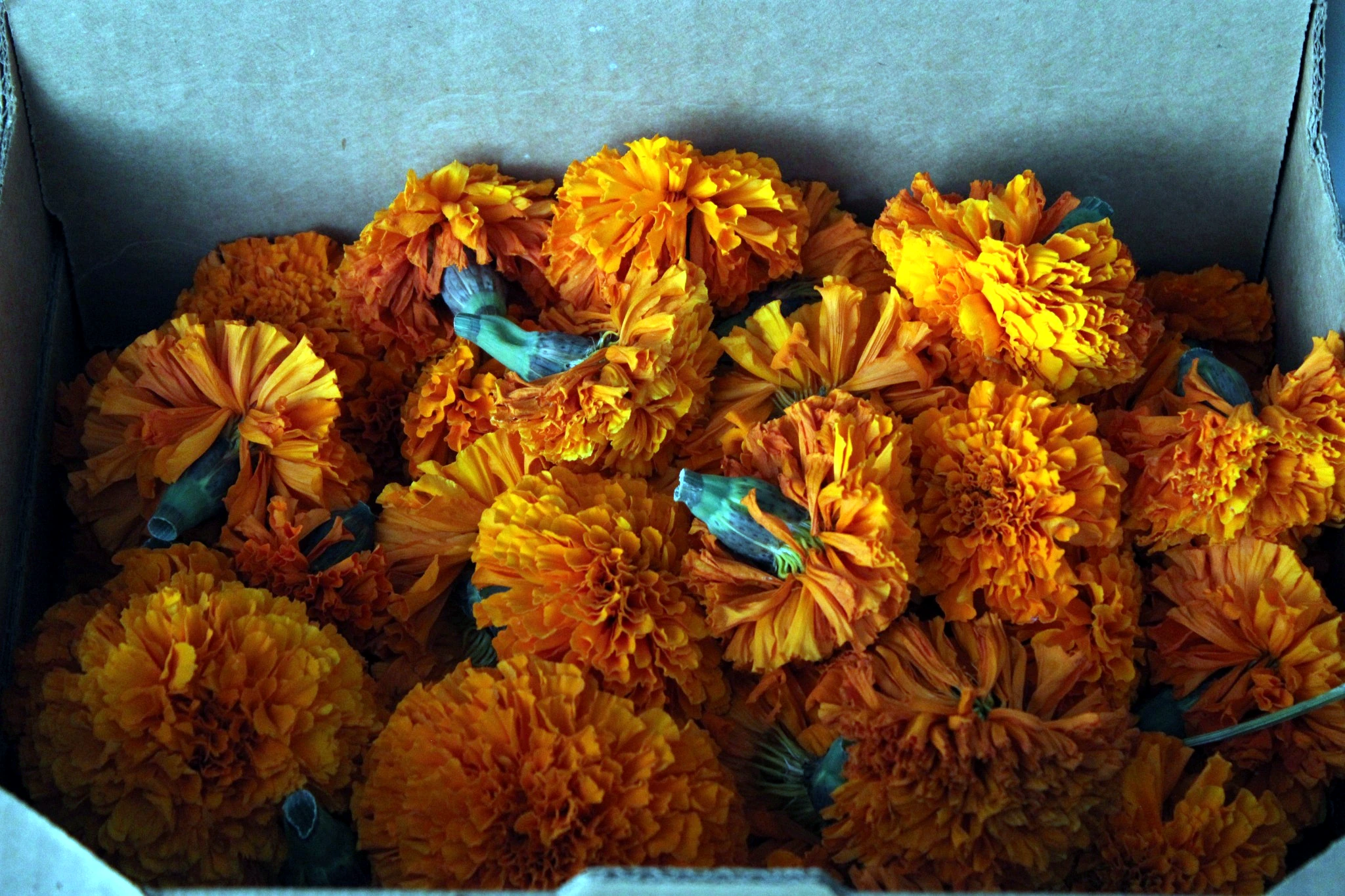
Flowers give the farm several kinds of value at once: habitat in the field, color in a CSA share, beauty on a market table, and texture after the petals begin to dry. That range is part of why they fit so naturally into a diversified farm.
Nothing here needs to look identical from week to week. The point is the opposite: the rows record the season honestly.
Fresh bouquets pull the whole flower story together — sunflowers, zinnias, marigolds, snapdragons and other seasonal cuts gathered at their moment. Some are bright and open in the midday sun; others carry the deeper colors of the garden after the light drops.
Shop HappyDay Farms ↗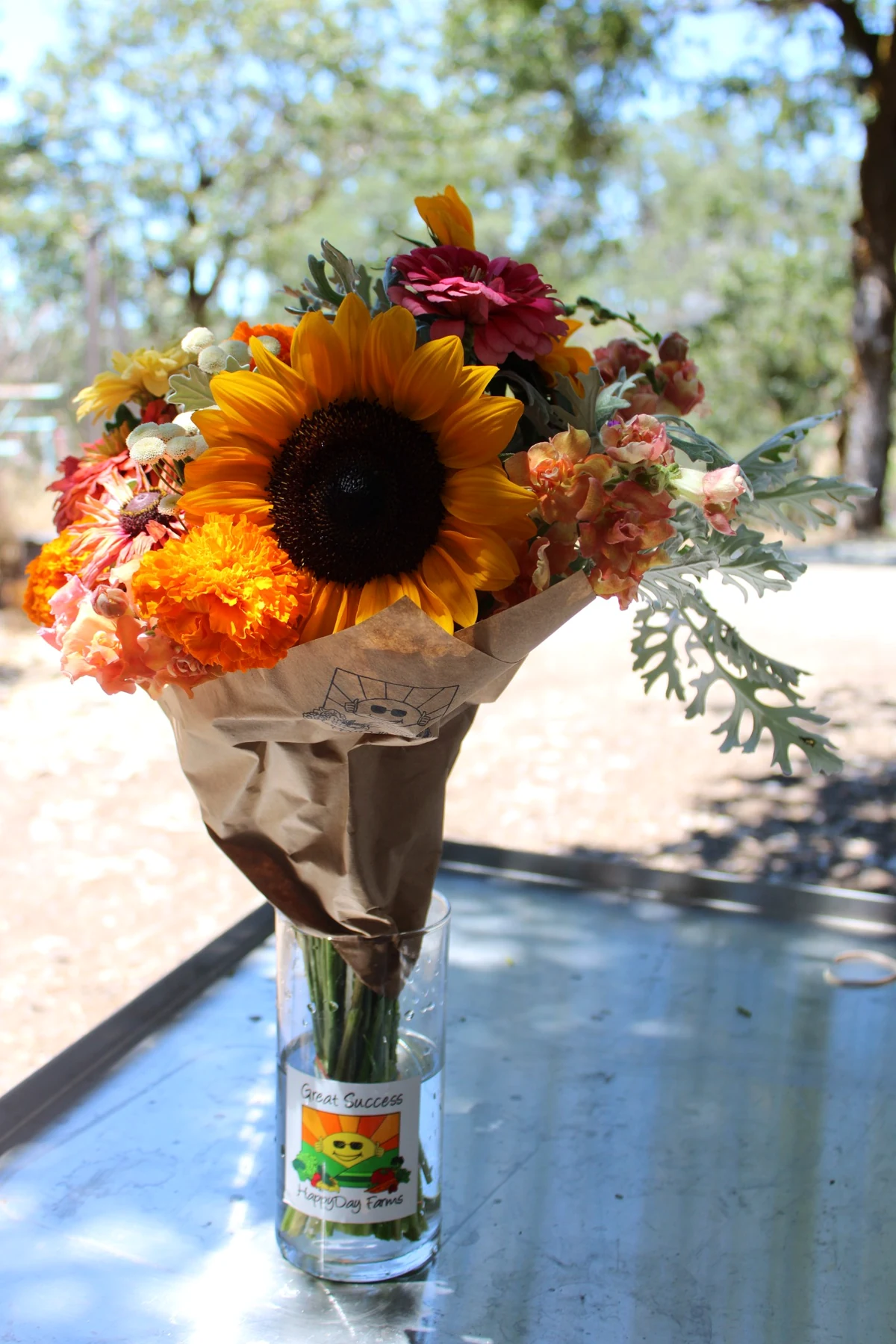
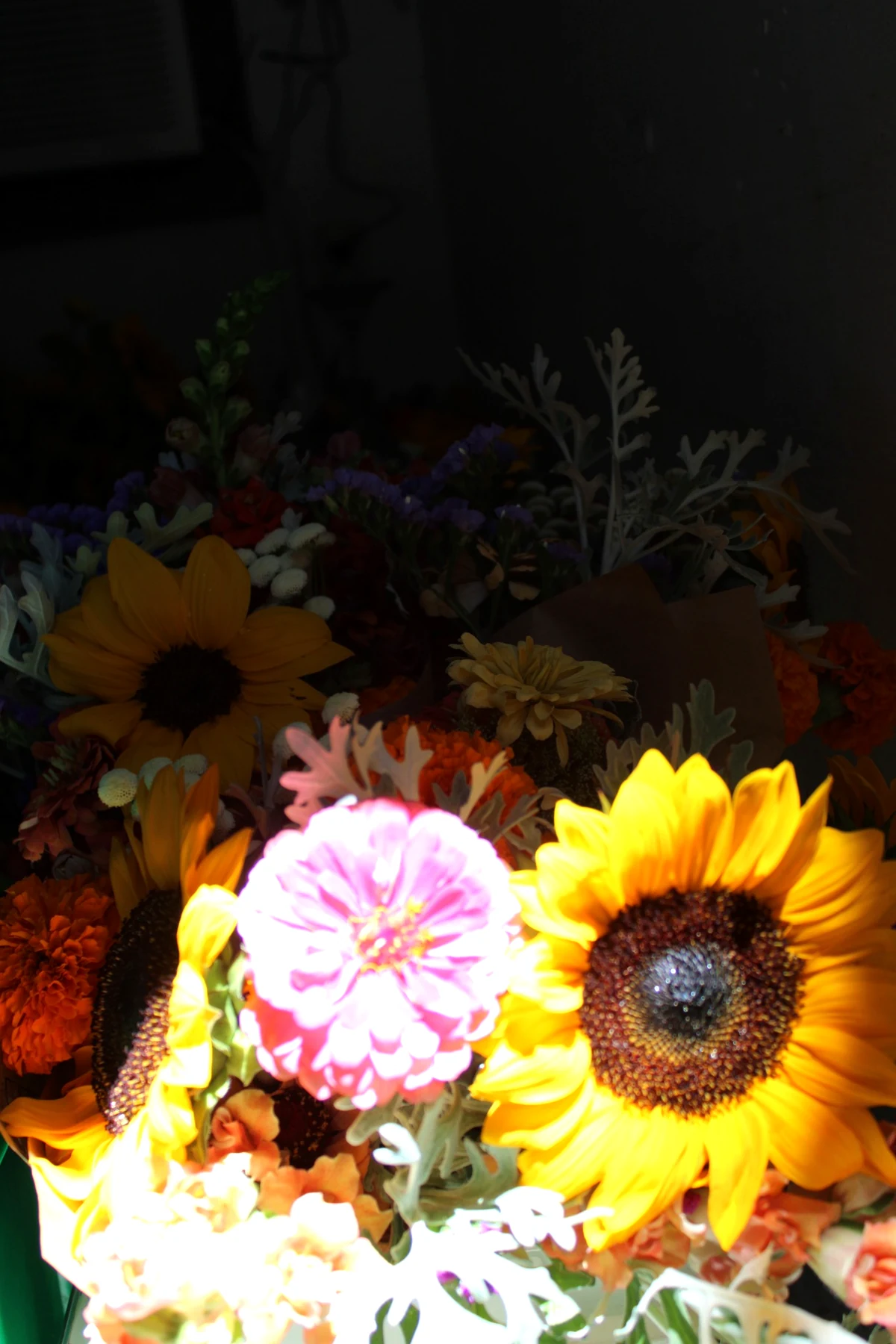
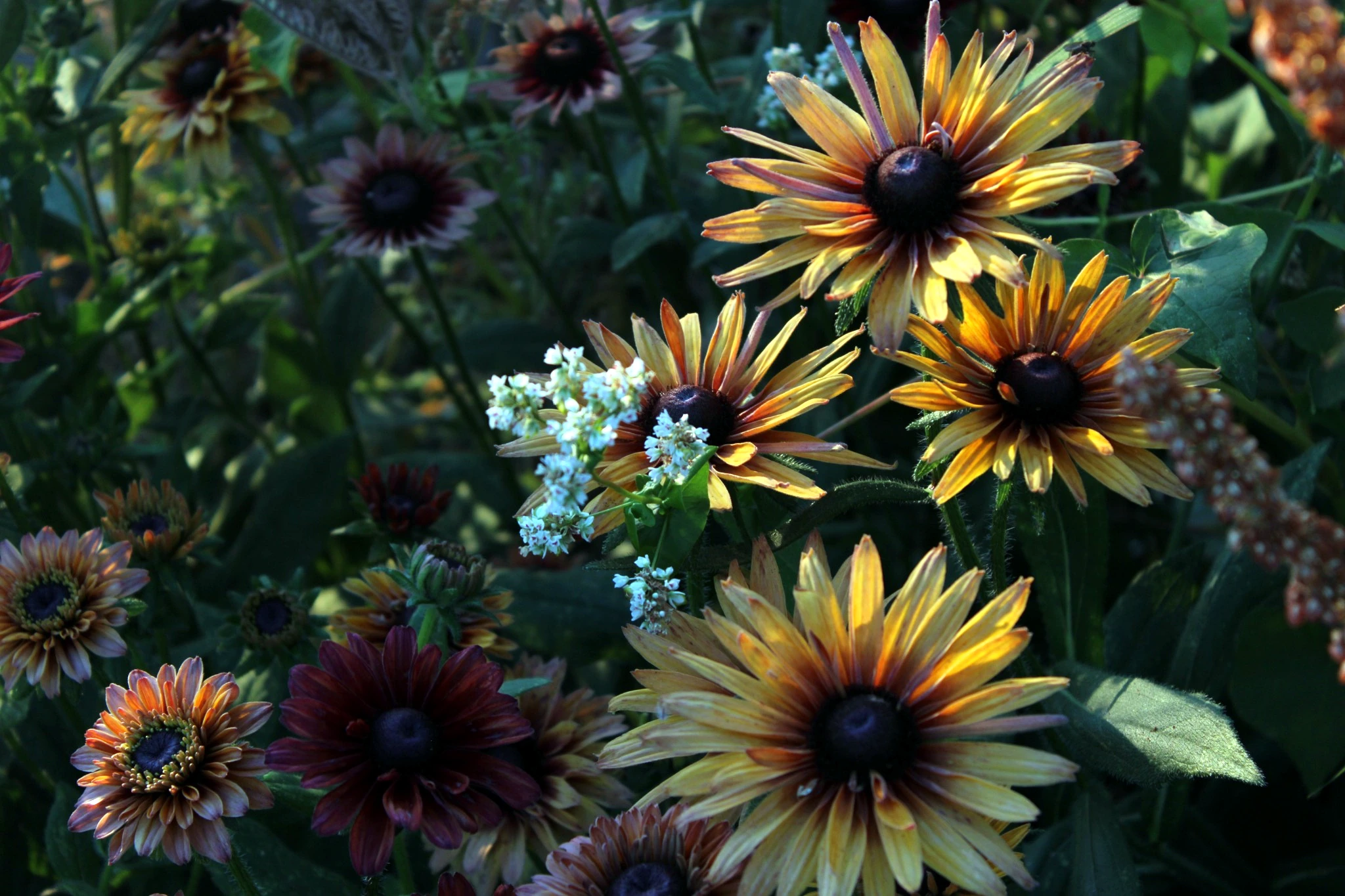
From sunrise over protected beds to a bee working one flower at a time, the garden is always moving. The blooms help make those changes visible: color opens, peaks, fades, dries, and returns in another form.
That movement is one more way the farm stays connected to season, place, and the living systems around it.
Flowering rows offer forage and habitat for bees and other beneficial insects while bringing visible life into the cultivated landscape.
Different flowers arrive at different moments. The changing palette gives spring, high summer, and the edge of fall their own character.
Flowers, food crops, and cannabis share one farm landscape — a diversified approach that keeps the place useful, productive, and full of texture.